Locations




Every turn in Magic: The Gathering follows the same basic structure, moving through five phases from untapping your permanents to eventually passing the turn.
The tricky part is knowing what happens during each phase, when you can cast spells, how Priority determines when players get to act, and how the Stack determines what resolves first.
So, let's walk through the five MTG phases, their individual Steps, and how Priority and the Stack shape what happens along the way.
What are the MTG turn phases?
A typical turn consists of five phases:
- Beginning Phase
- Untap Step
- Upkeep Step
- Draw Step
- Precombat Main Phase
- Combat Phase
- Beginning of Combat
- Declare Attackers
- Declare Blockers
- Combat Damage
- End of Combat
- Postcombat Main Phase
- Ending Phase
- End Step
- Cleanup Step
The overall turn structure is easy enough to follow.
However, what matters more is actually understanding what happens during each phase and the different times that everyone gets a chance to act.
Turn Dynamics: How Each Phase Works
With the basic roadmap out of the way, let's start digging deeper into what actually happens as a turn plays out. One thing that's important to know is that each of these phases occurs even if you don't take any action.
Beginning Phase
Every turn starts with the Beginning Phase that consists of three steps:
- Untap Step
- Upkeep Step
- Draw Step
So, if you've ever heard someone quickly mumble "untapupkeepdraw" while reaching for their library, this is likely their way of shortcutting through this initial phase.
Untap Step
During your Untap Step, you untap all the permanents you control.
When that happens, your Lands become available to produce mana again, tapped Creatures can prepare to attack or block, and anything else you used during the previous turn generally becomes available again.
There are exceptions, of course.

Mana Vault, for example, doesn't normally untap during your Untap Step. Instead, you'll have the opportunity to pay four mana during your Upkeep to untap it.

Meanwhile, permanents phased out by cards like Teferi, Master of Time phase back in during this step, and the game also checks whether Day should become Night or vice versa.
And only after you account for all that do your permanents actually untap.
Upkeep Step
Next comes the Upkeep Step, where abilities that say "at the beginning of your upkeep" trigger.
 |  |
Staff of Nin, for example, has you draw a card at the beginning of your upkeep, while Mystic Remora may ask you to pay its Cumulative Upkeep cost if you want it to stick around.
Since upkeep triggers happen before your Draw Step, quickly jumping from "untap" straight to drawing may occasionally cause problems in paper Magic.
After all, any upkeep triggers must be handled before you draw for the turn, or it could be considered a missed trigger.
And while most tables use shortcuts and there's no need for you to go out of your way to announce every step of every turn, when something actually happens during your Upkeep, it's often worth slowing down long enough to make sure you don't accidentally skip it.
Draw Step
After Upkeep comes the Draw Step, where the active player draws one card from the top of their library.
And just like the other steps in the Beginning Phase, plenty of cards can change what happens here.
 |  |
Howling Mine can give players an additional card during their Draw Step, while Sylvan Library can let you draw two additional cards before potentially putting some back or paying life to keep them.
There is also one important exception for the Draw Step that's established at the very beginning of the game.
In a normal two-player game, whoever goes first skips the Draw Step of their first turn. In most multiplayer games, including a typical game of Commander, everyone gets to draw on turn one.
Once you have drawn for the turn and handled anything else that happens during your Draw Step, it is time to move on to your first Main Phase.
Precombat Main Phase
After the Beginning Phase comes your first Main Phase, which is also known as the Precombat Main Phase.
This phase is where you can start casting most of the cards in your hand, including Creatures, Sorceries, Artifacts, Enchantments, Planeswalkers, and Battles.

You can also opt to play a Land here, though it's important to remember that outside of cards like Exploration, you typically only get one Land play per turn, not one during each Main Phase.
Now, in terms of strategy, you don't always want to cast everything before the Combat Phase.
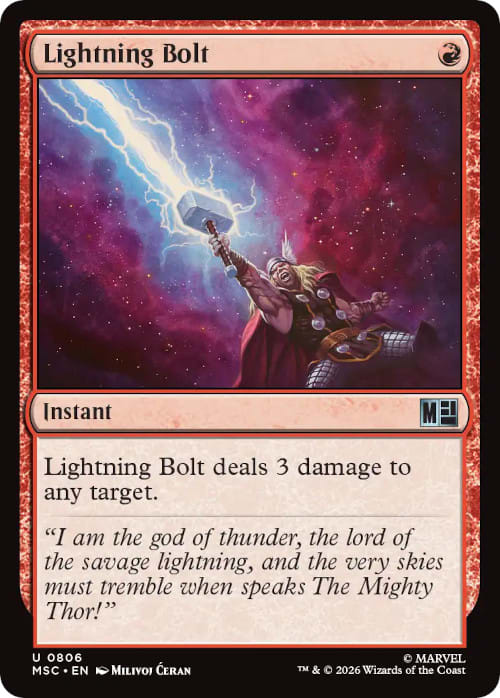 |  |  |
Naturally, if a play helps your attack, playing it during your Precombat Main Phase makes sense, whether that means using Lightning Bolt to remove a potential blocker, equipping Lightning Greaves to give a Creature Haste, or casting Craterhoof Behemoth to turn your board into a much more threatening attack.
However, if it doesn't, waiting until your second Main Phase can keep your options hidden just a little longer.
After all, your opponent doesn't know whether your four untapped Lands represent a combat trick, removal spell, or the fact that you drew four Lands in a row and are desperately trying to look threatening.
And as in most strategy games, causing uncertainty can be valuable.
Combat Phase
After your first Main Phase comes the Combat Phase, where your Creatures finally get the chance to start turning sideways.
The Combat Phase itself is broken down into five steps:
- Beginning of Combat
- Declare Attackers
- Declare Blockers
- Combat Damage
- End of Combat
While most of these steps tend to fly by pretty quickly, each serves a specific purpose.
Beginning of Combat Step
The Beginning of Combat Step happens exactly where you would expect: after your Precombat Main Phase, but before any attackers are declared.
This step is also where abilities that trigger "at the beginning of combat" happen.
 |  |
As an example, Urabrask's Forge creates its Phyrexian Horror token with Trample and Haste at the beginning of combat on your turn, while Legion Warboss creates a Goblin token with Haste that must attack that combat if able.
Once everything that needs to happen here is taken care of, it is time to decide who is actually attacking.
Declare Attackers Step
Once the Declare Attackers Step begins, the active player chooses which eligible Creatures will attack and what each one is attacking.
A few important rules apply here:
- Creatures can attack opposing players, Planeswalkers, or Battles.
- All attackers must be declared all at once. You can't attack with one Creature, see how your opponent reacts, and then decide whether the rest of your board should join in.
- A Creature generally can't attack unless you've controlled it continuously since the beginning of your turn, unless it has Haste.
- Most Creatures tap when declared as attackers unless something like Vigilance says otherwise.
 |  |
The Vision can attack without tapping thanks to Vigilance, while Quicksilver, Brash Blur can attack right away thanks to Haste.
Declare Blockers Step
Next comes the Declare Blockers Step, where the defending player chooses which of their eligible Creatures will block each attacker.
A Creature can typically block one attacker, though multiple Creatures can team up to block the same one.
 |  |  |
Once blockers are declared, cards like Monstrous Rage, Turn to Frog, and Tamiyo's Safekeeping can still completely change how favorable combat looks.
There's also one critical rule to keep in mind here: removing a blocker after it's already been declared doesn't make the attacking Creature unblocked.
Once an attacker has been blocked, it generally stays blocked for the rest of combat, even if the blocker is removed.

So, unless the attacker has Trample or an effect from a card like Indomitable Might letting it assign combat damage as though it weren't blocked, getting rid of the blocker won't suddenly let that damage through.
Combat Damage Step
Once blocks and any last combat tricks are settled, the game moves to the Combat Damage Step.
Here, attacking and blocking Creatures assign their combat damage, and that damage is then dealt simultaneously.

And because combat damage is dealt immediately after it's assigned, if you want to save a Creature from taking lethal damage with something like Giant Growth, you'll need to do it before combat damage begins.
Furthermore, as of Foundations (FDN) in 2024, an attacker blocked by multiple Creatures can now divide its combat damage among them however its controller chooses, rather than following the old damage-assignment order.
 | 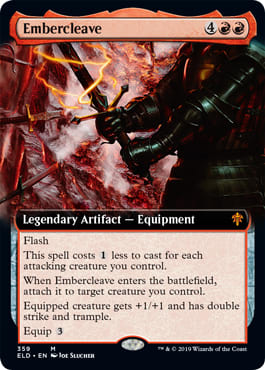 |
Finally, First Strike and Double Strike can create an additional Combat Damage Step. Cards like Super Speed can give a Creature First Strike and let it deal damage during that earlier step, while Double Strike from something like Embercleave lets a Creature deal damage during both.
Besides all that, the Combat Damage Step is relatively simple:
Damage gets assigned. Damage gets dealt.
And whatever survives gets to keep fighting another day.
End of Combat Step
After the Combat Damage Step comes the End of Combat Step.

This is where any "at end of combat" abilities trigger, including Delina, Wild Mage's delayed trigger, and Creatures remain considered attacking or blocking until the step is over.
Once this step ends then combat is officially over, and the game can move to the Postcombat Main Phase.
Postcombat Main Phase
The Postcombat Main Phase works almost exactly like the first.
You can still cast spells, activate abilities, and play your Land for the turn if you haven't already.
The main difference is that combat has already happened, so you know which Creatures survived, what tricks your opponents had, and whether your attack went according to plan.
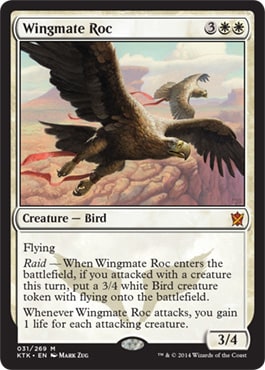 |  |
Some cards even reward you for waiting. For example, Raid cards like Wingmate Roc and Mardu Skullhunter have Enter-the-Battlefield (ETB) abilities that only matter if you've already attacked that turn, making your Postcombat Main Phase the natural time to cast them.
That's why if a spell doesn't help your attack, saving it for after combat can often give you more information without really costing you anything.
Ending Phase
Once the Postcombat Main Phase wraps up, then the turn enters its final phase: the Ending Phase.
The Ending Phase contains two steps:
- End Step
- Cleanup Step
The two steps are easy to lump together, but they actually handle very different parts of ending the turn.
End Step
First comes the End Step, where abilities that trigger "at the beginning of your end step" happen.

Wilderness Reclamation, for example, would trigger here and untap all of your Lands.
There's also one important timing quirk to keep in mind during the End Step.

Since the End Step is also the last normal part of the turn where you can cast Instants or activate abilities before Cleanup, suppose you needed Wilderness Reclamation to untap enough Lands to Flash in Jin-Gitaxias, Core Augur in hopes of drawing seven cards.
Unfortunately, by the time those Lands untap and you cast Jin-Gitaxias, the beginning of your End Step has already passed, meaning Jin-Gitaxias' ability to draw cards won't trigger that turn.
Magic: The Gathering isn't lenient enough to rewind, so you'll just have to wait until your next End Step to get those seven cards.
Cleanup Step
Finally, it's the Cleanup Step, where the game tidies everything up before passing the turn.
Three main things happen here:
- If you have more cards than your maximum hand size, which is usually seven cards, you discard down to that number.
- All damage marked on permanents is removed.
- Any effects lasting "until end of turn" or "this turn" wear off.
 |  |
So, if your Captain Marvel, Shooting Star got +3/+1 from Blazing Crescendo and took six damage during combat, Cleanup removes that damage at the same time the temporary stat boost disappears.
And you're left with the same perfectly healthy 6/6 Human Kree Hero you started with.
For most games, that's really all Cleanup is: one final bit of housekeeping before the next turn begins.
Understanding Priority & The Stack in MTG
Now that you know how a turn moves from Untap all the way through Cleanup, there are two final pieces tying everything together: Priority and the Stack.
After all, MTG isn't a game where one player gets to do everything they want without interruption.
Priority determines when players get the chance to act, while the Stack determines the order in which their spells and abilities resolve.
There's a lot to unpack with both concepts, so let's start with Priority.
What is Priority?
Put simply, Priority answers one question:
Who gets to do something right now?
Only one player has Priority at any given time.
When you have Priority, you can typically cast an Instant, activate an ability, take certain special game actions, or simply pass to the next player.
Once you pass, your opponent gets their chance to act, and in multiplayer games like Commander, Priority continues around the table until everyone has had that opportunity.
Priority is also why an opponent can't simply rush from their Precombat Main Phase straight into declaring attackers without giving you a chance to act.

So, for example, if you wanted to use something like Pacification Array during the Beginning of Combat Step to tap down a potential attacker, you'd get the opportunity to do so when you have Priority.
However, once everyone passes Priority and the game moves into the Declare Attackers Step, it's now too late to tap that Creature before it attacks. By this point, attackers are declared before anyone gets another chance to act.
Now, while Priority determines who gets the chance to act, once players start casting spells and activating abilities, there still needs to be something to determine what resolves first.
This is where the Stack comes into play.
How does the Stack work?
Most spells and Activated or Triggered Abilities don't happen immediately. Instead, they go onto the Stack and wait to resolve, with Mana Abilities and Static Abilities being notable exceptions.
Anything added afterward goes on top, and objects on the Stack resolve one at a time, starting from the top. This is known as Last-In-First-Out (LIFO).
 |  |  |
Suppose your opponent casts Shock targeting your 2/2 Shang-Chi, Master of Kung Fu.
You respond with I Am Iron Man, which goes on top of Shock and resolves first, turning Shang-Chi into a 4/4 Artifact Creature with Flying and drawing you a card.
Shock then resolves, deals two damage, and Shang-Chi survives with two damage marked.
Reverse the Stack order, however, and things go very differently.
If you cast I Am Iron Man first in hopes of giving Shang-Chi Flying to get past some ground blockers, your opponent could respond with Shock.
Shock would resolve first and kill the still-2/2 Shang-Chi before I Am Iron Man gets the chance to resolve.
And with its only target gone, nobody gets to be Iron Man as the spell simply fizzles.
Putting Priority & the Stack Together
Now that both Priority and the Stack have been covered, the important part is to see how they actually work together during a game.
Whenever a player has Priority, they can take an action or pass it along. And if everyone passes Priority without doing anything, what happens next depends on whether the Stack is empty:
- If something is on the Stack, the top spell or ability resolves.
- If the Stack is empty, the game moves to the next step or phase.
It is important to note that a full Stack doesn't simply resolve all at once.
After the top spell or ability resolves, Priority passes around again, giving everyone another chance to act before the next spell or ability resolves.
If everyone passes Priority again, the new top object resolves, and the process repeats until the Stack is eventually empty.
So, as you can see, you're rarely just watching an opponent finish whatever they started.
Priority keeps handing players opportunities to respond, while the Stack makes sure all those responses happen in the right order.
And, only once everyone finally decides they've done enough can, the game moves forward to the next step, phase, or game-winning play.
Conclusion
Once you understand the five MTG phases, Priority, and the Stack, the game starts to feel a lot less like a collection of random things happening without warning and more like a single consistent rhythm.
Every turn still follows the same path from Untap to Cleanup, but Priority determines when players get the chance to act, while the Stack determines the order in which those spells and abilities resolve.
So, learn the turn order, pay attention to when Priority is passed, and don't be afraid to slow things down when the Stack starts getting crowded.
And after just a few games, "untapupkeepdraw" will probably start coming out of your mouth just as quickly as everyone else's.