


 Locations



Stax is one of the most divisive ways to play Magic: The Gathering. Love it or hate it, you'll be a better player if you know how it plays, what cards make it work, and how to effectively beat it.
History
While many players assume that the title Stax comes from the card Smokestack its actual origin comes from a Vintage deck called "$TK4S" (The Four Thousand Dollar Solution). The deck was full of lock pieces like Smokestack that attempted to control the resources of the game and notably cost $4000 to build. Years later the name stuck and the deck-building concept focused on winning through resource denial has only gotten stronger.
How Stax Decks Work
At its core, Stax is a control deck that wins by denying and disrupting your opponent's resources. A typical Azorius control deck might utilize Counterspell to prevent your opponent from resolving key cards. It'd use spells like Path to Exile to remove problematic creatures that manage to slip through the cracks.
In contrast, Stax might attempt to prevent your opponent from being able to cast the cards in the first place. They'd use effects like Winter Orb that limit their access to mana.
A Stax deck seeks to disrupt the typical play patterns found in Magic. Games tend to go much longer when Stax is involved and many players will complain about its ability to produce "Non-Games." These are games where neither player has deterministically lost, but players are also prevented from impacting the board in a meaningful way.
Terms like Prison, Tax, Resource Denial, Land Destruction, Permission, and Hard Locks are all synonymous with Stax. Let's unpack a few of these terms before moving on.
Key Stax Mechanics Explained
Tax Effects
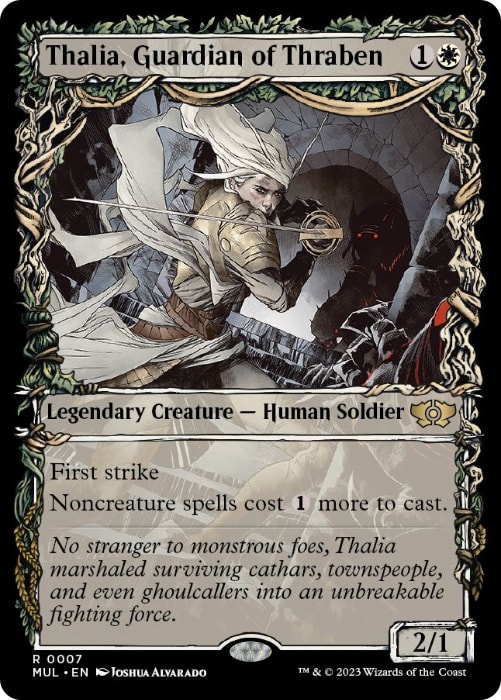
As the name implies, Tax Effects refer to any card that adds additional costs to any part of gameplay. Thalia, Guardian of Thraben slows down decks that rely on noncreature spells, and can entirely stop strategies like Storm from winning all together. Ghostly Prison Taxes the attack step and can invalidate strategies that rely on going wide with multiple small creatures to win.
Resource Denial
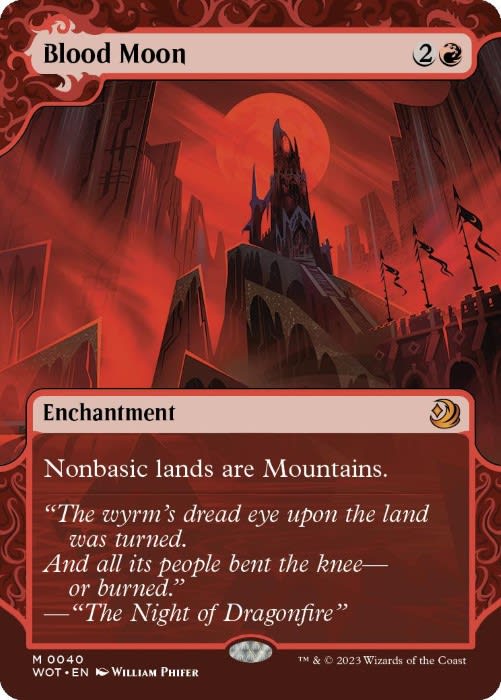
Resource Denial comes in many forms and generally seeks to "Turn Off" one aspect of an opponent's gameplan. Blood Moon and similar effects can prevent a multicolored deck from casting spells for the rest of the game. Soulless Jailer denies access to the graveyard and thereby invalidates cards with Flashback or Reanimator strategies.
To a lesser extent, cards like Hymn to Tourach are an effective form of Resource Denial that attacks your opponent's hand. While not explicitly being considered a Stax card, it is usually a welcome addition to a Stax style deck.
Rule Setting / Lock Pieces
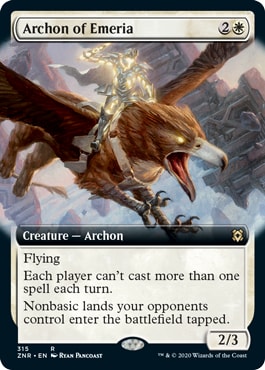
The last major category of cards are ones like Rule of Law and Archon of Emeria that effectively change the rules of the game. As opposed to Tax Effects that slow down your opponent's gameplan, these cards completely stop their gameplan.
Collector Ouphe is a strong lock piece against Artifact based decks. Clarion Conqueror stops multiple forms of Activated Abilities. When combined with other effects that prevent their removal, cards like these can become "Hard Lock Pieces" that deterministically prevent your opponent from playing Magic.
Breaking Symmetry
Now that you are familiar with some of the key mechanics that make Stax function, let's unpack the gameplay mechanic that makes Stax effective. As you may have noted from the cards discussed so far, many of them disrupt both players equally. An effective Stax deck does one of two things to break that symmetry and lead to boards that impact them more favorably.
Deck-building
The first step is to build your deck in a way that these effects have little to no impact on your strategy of winning. For instance, Thalia, Guardian of Thraben doesn't impact you if your deck doesn't rely on noncreature spells. Hushbringer fully invalidates cards with powerful ETB effects like Thassa's Oracle, and doesn't require many deck-building restrictions to become one sided.
Timing
The second method is to utilize the timing of effects to your advantage. Winter Orb is a classic Stax piece that effectively limits both players to one land per turn. However, when combined with Urza, Lord High Artificer or other cards that tap artifacts, you can take advantage of the "As long as Winter Orb is untapped" clause.
Ensnaring Bridge is another powerful lock piece that effectively prevents players from attacking each other. However, if your only attackers have 1 power, you can reliably attack with them on your turn thanks to your draw step. Then, simply play that card before passing the turn back to your opponent.
Popular Stax Cards
I don't intend to create a lengthy index of every card that could be considered a Stax piece. Let's briefly touch on a few important cards that haven't been mentioned at this point.
Chalice of the Void

Chalice of the Void is one of the most popular and punishing Stax pieces across all formats where it is legal. Combined with fast mana it can often be resolved on turn one to shut off 1-drops for the rest of the game.
Narset, Parter of Veils
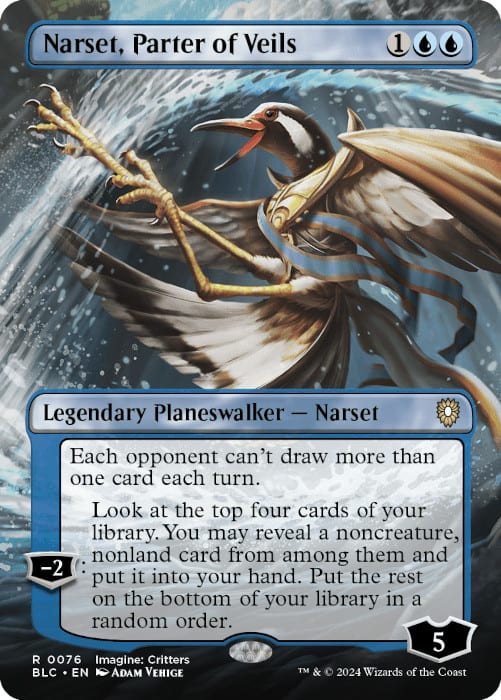
Narset, Parter of Veils is a popular Stax piece in older formats where cards like Brainstorm are legal. When combined with draw seven effects like Wheel of Fortune, it breaks the symmetry by preventing your opponents from drawing cards and often wins the game.
Trinisphere

Trinisphere is another popular lock piece that puts an incredibly punishing tax on cards with highly efficient casting costs (less the mana value three). When combined with any other Tax or Rule Change effect, it will often prevent your opponent from doing anything meaningful for the rest of the game.
Teferi, Time Raveler
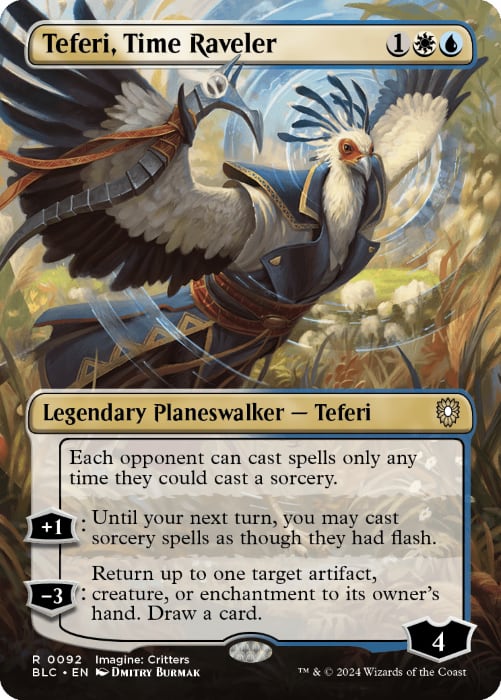
Teferi, Time Raveler is a Stax piece that makes sure your other Stax pieces resolve. It prevents your opponent from playing at instant speed and can bounce problematic permanents to help you win through tempo.
Opposition Agent

Opposition Agent shuts down cards like Demonic Tutor and Wooded Foothills. It also turns those effects into card advantage and gives you perfect information about the cards in your opponent's deck.
Best Colors for Stax Decks
With the notable exclusion of "Ponza," a Red based Stax deck that wins by destroying your opponent's lands with effects like Stone Rain, the majority of Stax decks will typically fall somewhere within the Esper (

 ) shard.
White provides access to the most efficient Tax Effects that force both players to play fair strategies. In a Stax deck, you can break the symmetry of these Tax Effects to gain advantages.
Blue provides Card Draw and Permission needed to find your Stax pieces and survive long enough to resolve them.
Last but not least, Black is often the best way to deal with problematic Permanents that get around your lock pieces.
Stax in Different Formats
Commander
Stax in Commander is predominately reserved for the higher brackets of gameplay due to the fact many popular Stax pieces are on the game changers list. While Stax can be very powerful in a multiplayer format, it also tends to draw a lot of aggression from other players at the table. If you show up with a Grand Arbiter Augustin IV Stax deck, prepare to be the Archenemy.
Legacy and Vintage
Access to fast mana in older formats through cards like Ancient Tomb and Chrome Mox allows Stax decks to establish large lock pieces as soon as turn one. This can often completely turn off certain decks. Of particular note, Karn, the Great Creator shuts down opposing artifacts. It also transforms your sideboard into a toolbox that allows you to grab specific lock pieces needed for the particular situation.
Modern
A dedicated Stax deck is not currently viable in Modern due to the speed and efficiency of most threats. However, the individual Stax pieces have become staples in many sideboards. Cards like High Noon completely stop Ruby Storm and other decks that look to pop off in a single turn.
Cube
One of the few places where Stax can thrive in a healthy way is higher powered Cubes. The Cube's curator is able to include the lock pieces they want to see in addition to the specific answers needed to remove them. This transforms Stax into a control variant that is competitive without being oppressive.
How to Play Stax Effectively
- The early game is all about setting up. Accelerate on mana, draw cards and learn what deck your opponent is playing.
- During the middle game you'll need to resolve your lock pieces and deal with threats that your opponent can present to disrupt your lock.
- In the late game your job is to maintain your lock and quickly find a way to close out the game.
Common Mistakes When Playing Stax
- Do not overcommit to lock pieces. If your opponent can only win through a card like Farewell, and you have redundant lock pieces in your hand, hold onto them rather than playing them out.
- Stax does best when you can find ways to break symmetry. This is particularly important to keep in mind if you are drafting a Stax deck. Don't play Thalia, Guardian of Thraben in a deck with a bunch of noncreature spells.
- When playing Stax in a multiplayer format like Commander, timing matters more than anything. If you present the biggest threat early on the other players will target you first. Wait as long as possible before deploying lock pieces that will draw aggression.
How to Beat Stax Decks
- Sideboard effectively. If your deck crumbles at the sight of an Ensnaring Bridge add a Disenchant effect to your sideboard.
- In multiple player games where cards like Rhystic Study Tax your ability to play, don't give into temptation. Slow your game plan and always pay the one or your opponent will bury you in resources.
- Don't be afraid to concede early in a tournament setting. If you can beat a Stax deck post sideboard, make sure you'll actually have time to play games two and three.
FAQs About Stax in MTG
Is Stax fun?
Yes... for exactly one person. Truthfully, Stax is one of the most divisive strategies in Magic because the play patterns it produces are not enjoyable for most players. Losing to an infinite combo doesn't feel great, but it's over quickly and you're able to move onto another game. Stax wins slowly and often painfully.
Is Stax viable in Commander?
Stax is incredibly potent in Commander but it is a double-edged sword. Your lock pieces will now impact three times as many players and paint a target on your back. Stax excels in places like cEDH where players have the expectation of trying to win as efficiently as possible and won't get as salty when you actively stop them from playing.
What is the difference between Stax and Prison?
They are interchangeable terms. Stax, Prison, Tax, etc. all refer to effects that restrict your opponents' ability to play the game.
Final Thoughts: Is Stax Right for You?
To quote, Uncle Ben, "With great power comes great responsibility." Stax is an incredibly powerful way to control a game of Magic, but it also might cause you to lose a few friends in the process.
If you are playing competitively or against friends who enjoy a challenge, Stax can be a totally valid option that won't cause too much salt at the table. For everyone else, I would caution you to treat Stax pieces like salt itself. A little bit can be a great addition to any dish (deck), but too much can ruin the whole meal (game night).