


 Locations




Reanimator Isn't Dead - It Just Wants to Be
Let's get this out of the way: Reanimator in Legacy Cube is not a trap. It's a glass cannon. It's the kind of strategy that can look unplayable if you don't get the pieces - and completely broken if you do. And that's the fun of it.
In this article, I'll break down what makes Reanimator a pillar of Cube drafting, why it's still one of the fastest and scariest archetypes in the format, and how to maximize your odds of resurrecting a monster before your opponent can say "untap."
Check out the other articles in this series here: The Comprehensive Guide to Cube Archetypes
What Is Reanimator in MTG Cube?
Reanimator decks aim to cheat massive, game-ending creatures onto the battlefield in the first few turns of the game - without ever paying full price.
You do this by combining:
- Discard outlets (Entomb, Faithless Looting, Thoughtseize)
- Reanimation spells (Reanimate, Exhume, Animate Dead)
- Massive threats (Griselbrand, Atraxa, Grand Unifier, Archon of Cruelty)
The game plan is simple: put a bomb in your graveyard, then bring it back early enough that your opponent can't meaningfully interact. Reanimator is the closest thing Cube has to a "combo kill," and when it works, it really works.
Why Reanimator Still Dominates Cube
In a world of midrange piles and tap-out planeswalkers, Reanimator brings something sorely missing in many drafts: speed. If you've ever watched a control player curve out with lands and cantrips while you slam Griselbrand on turn two, you know what I'm talking about.
Here's why Reanimator stays relevant even in fast-paced, high-powered environments:
- Explosive Starts - turn one Entomb, turn two Reanimate is real. No other deck can match that raw power.
- Unfair Creatures - Modern Cube includes Black bombs like Archon of Cruelty, Blue monsters like Jin-Gitaxias, Core Augur, and classics like Sundering Titan. All of them warp the board on arrival.
- Redundant Pieces - You don't need one perfect combo - you just need a graveyard target and a way to reanimate it. That makes the archetype more consistent than people think.
- Open Lane Drafting - Few players force Reanimator, so if it's open, you'll often get the entire suite handed to you.
The Core Package: Reanimator Staples in Cube
Let's take a look at the essential components of a functioning Reanimator deck in Legacy Cube.
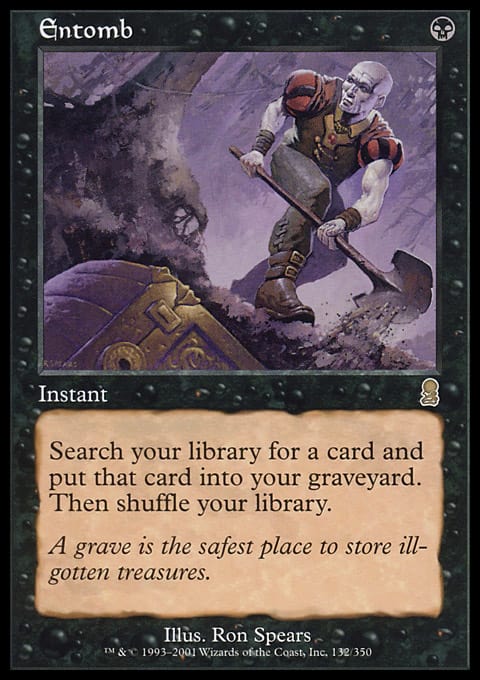
The MVP. One mana. Instant speed. Tutors any card directly into your graveyard. There's nothing else like it in Cube. Pick it early. Build around it.

The namesake spell. Reanimate is the most mana-efficient version of the effect and costs just one Black mana. Who cares about losing life when you just brought back Griselbrand?
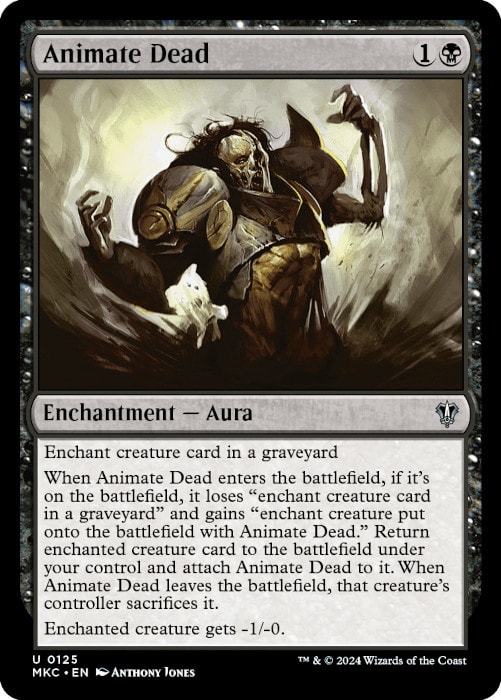 | 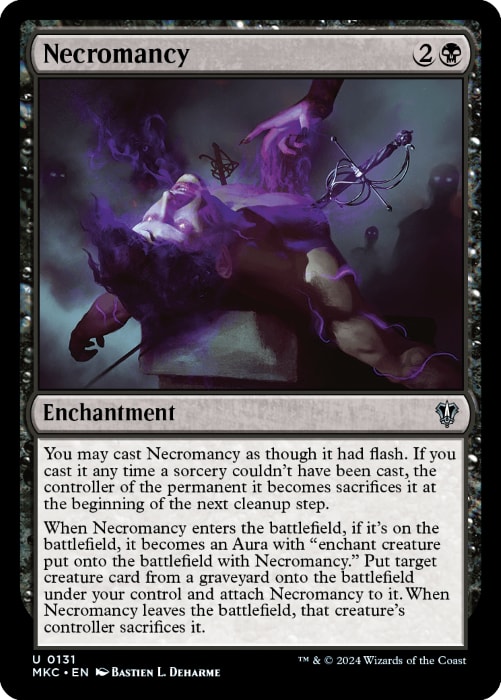 | 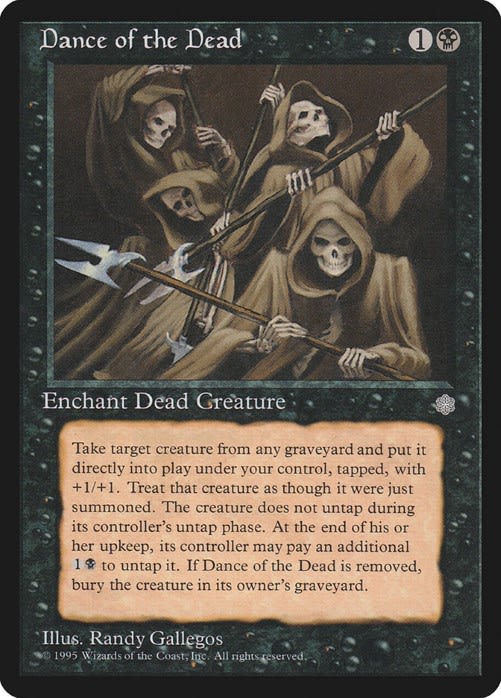 |
These all bring back creatures for two mana with minor drawbacks. They're the bread-and-butter of Reanimator decks and help you recover from an early counterspell or discard disruption.

Exhume is usually a two-mana Reanimate - just with a symmetrical effect. In practice, that doesn't matter if you're the only one with something worth reanimating on turn two.

Draw, discard, flashback. Looting fixes bad hands, digs for combo pieces, and turns dead fatties into value. It's everything Reanimator wants.
The Best Creatures to Reanimate
When your whole game plan is to cheat out a creature, that creature better win the game. Here are some of the all-stars:
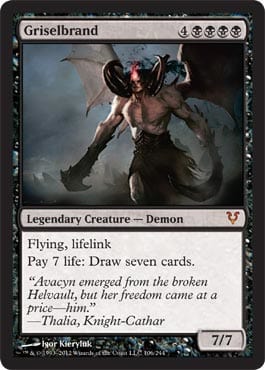
Still the GOAT. A turn-two Griselbrand often draws you 7+ cards, finds more reanimation, and forces chump blocks immediately. If they don't answer it, they lose.

It's the most "fair" broken creature. But Reanimating this early means your opponent discards, sacs, and takes three. Do it again, and it's over.

Underrated but devastating. Wrecks mana bases - especially in multicolored decks - and is a beating on the way out too.
 | 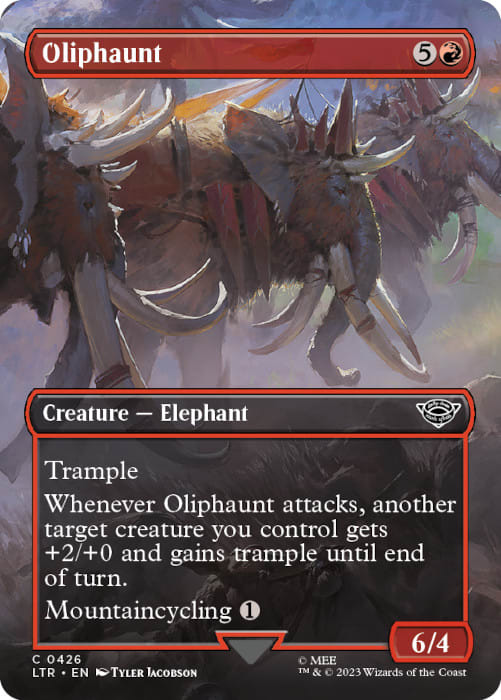 |
What if the fattie you wanted to reanimate discarded itself and fixed your mana? These cards are welcome additions to most decks, and remove a combo piece from the equation.

What if your fattie was already in your graveyard when you started the game? While this card seems like a joke, it adds an "unfair" level of consistency to the combo.
Key Enablers That Make It Work
Reanimator isn't just spells and fatties. You need glue - cards that help you get there.
 | 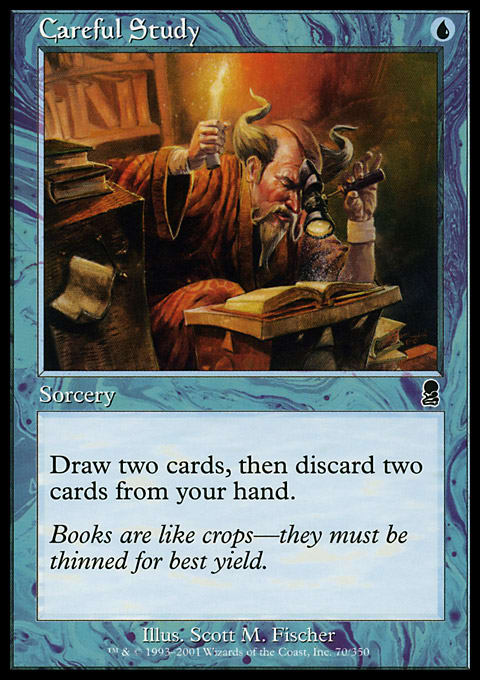 | 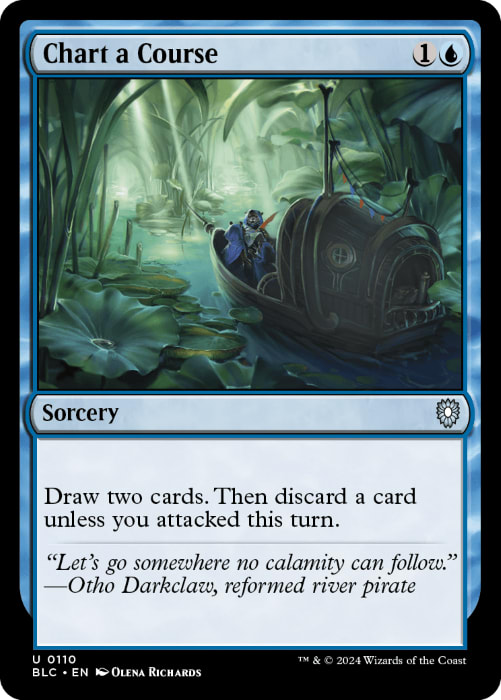 |
These looters dig for answers and fill the graveyard without costing you tempo.
 |  |
Cheap, efficient discard outlets with synergy. Imp is great when you want to reanimate on turn two; Grave is a second-tier Entomb.
 | 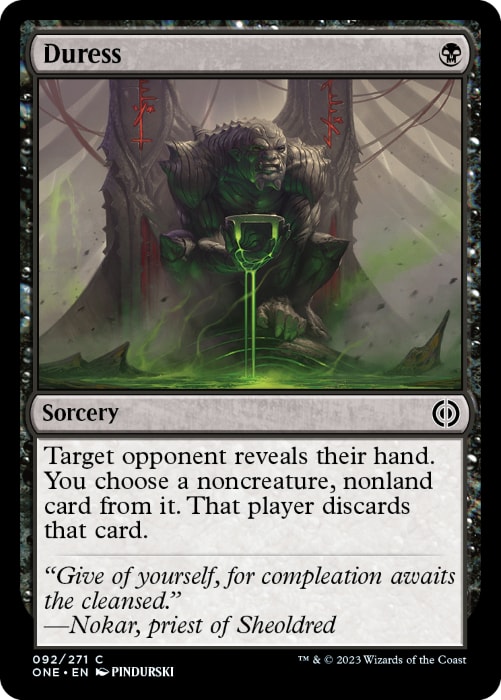 | 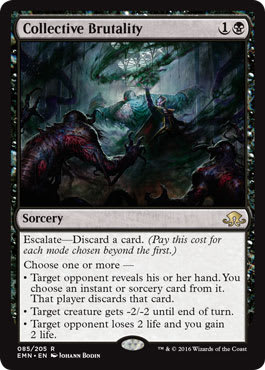 |
Disruption is critical. Your combo will lose to counterspells, so proactive discard helps you punch through.
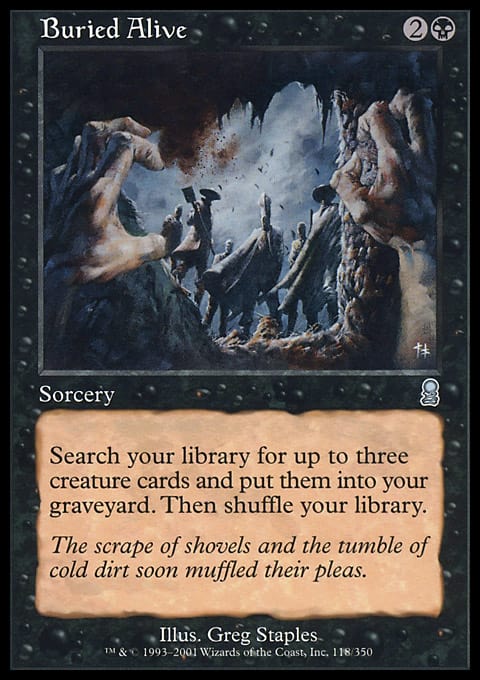
It's a slower Entomb, but putting three fatties in the graveyard means every reanimation spell is live from there on out.
Drafting Reanimator in Cube: What to Watch For
Want to draft Reanimator successfully in your next Legacy Cube pod? Here's your roadmap:
Reanimator Pitfalls to Avoid
Reanimator's biggest weakness is inconsistency when you don't get enough support. Here are the traps:
- Too Many Bombs: You don't need six reanimation targets. You need two good ones and the ability to access them.
- No Plan B: If your graveyard gets nuked, what's left? Make sure you have midrange creatures or planeswalkers to pivot into.
- Tunnel Vision: If Reanimator is cut, don't force it. Stay open and transition into control or midrange with some reanimation value.
Final Thoughts: Go Ahead, Break the Rules
Reanimator isn't subtle. It doesn't grind value or play fair Magic. It just asks one question: Can you deal with this monster right now? And in Legacy Cube, that question ends the game more often than not.
The strategy isn't dead - it's exactly where it wants to be: in the graveyard, waiting to come back stronger than ever.