


 Locations



On the plane of Amonkhet (2017), nothing is gentle. The sun is merciless, the deserts are endless, and glory is earned only through suffering. Every monument, every trial, every rite exists for one purpose: to push warriors past the point of comfort and see who remains standing. And it is in this harsh, sand-choked crucible that the mechanic Exert, the mechanic we'll be touching on in this week's Mechanics Overview Segment, first debuted.
Oh, and before you ask, Exert is not subtle in its design whatsoever. The mechanic simply asks something primal of the player: How far are you actually willing to push your creatures? And just as importantly, what are you willing to lose in the process?
What Is Exert?
Exert (An Exerted permanent won't untap during your next untap step.)
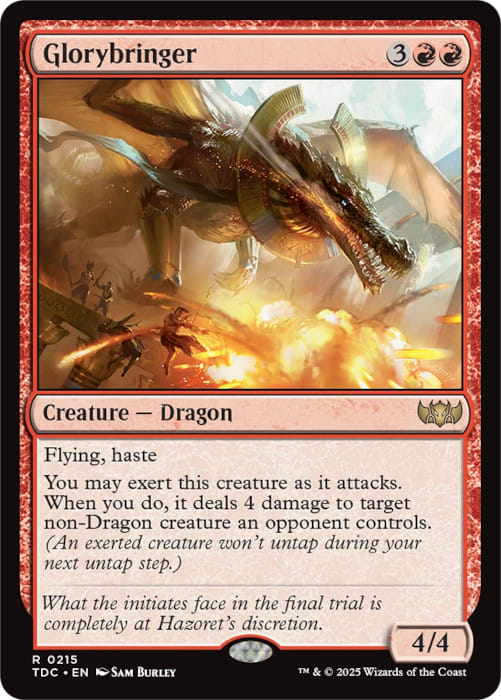
To start us off, Exert is a keyword action. When you Exert a permanent, you choose to have it not untap during your next untap step. That's it. That's the entire cost. But what makes Exert particularly interesting isn't the cost itself but rather when and why you choose to activate it.
Most Exert cards pair the drawback of not being able to untap with a powerful upside: extra power, evasion, removal, mana, additional combat steps, cheating massive creatures onto the battlefield, you name it! Regardless of what effect you get, the idea behind Exert, at the end of the day, remains relatively simple: your creature pushes itself too hard, gains a burst of strength or utility, and then collapses into exhaustion afterward.
The History of Exert
Did you know that long before Amonkhet's trials tested the Worthy, R&D was already wrestling with a similar concept? In fact, during the design of Gatecrash (2013), a mechanic known internally as Reckless was previously explored for the Gruul guild. Reckless granted creatures powerful combat bonuses, but at a brutal cost: the creature would be sacrificed at the end of the turn.
On paper, I think we can all agree that this would've been quite flavorful, yes? Rage-fueled warriors throwing themselves into battle without any regard for their survival? Very Gruul indeed.
However, in practice, Reckless would've likely been just a tad too punishing. Players would've undoubtedly hesitated to use it, held back their creatures, or just felt actively bad when they did what the mechanic asked of them.
The lesson here was clear: temporary loss > permanent loss.
So, when Wizards began shaping Amonkhet, a plane defined by ritualized combat, physical perfection, and divine judgment, that old Reckless mechanic found new life. And thus, Exert was born on 17 Exert creatures.
Rather than sacrificing creatures, Exert asked players to sacrifice time. Your creature would live, but it would collapse from exhaustion, unable to rise during your next untap step. And just like that, suddenly, Exert, unlike its predecessor Reckless, became less of a punishment but more of a real choice.
Exert Rulings
Like always, let's go over some of the big rulings behind this mechanic so you won't have to unnecessarily overexert yourself in your next game.
Exert Does Not Care If the Creature Is Tapped
One of the most common misconceptions is that a creature must always be tapped to be Exerted. This is not true.
A permanent can be Exerted:
- Even when it is untapped
- Even when it has already been Exerted earlier in the turn
Take, for example, Watchful Naga:
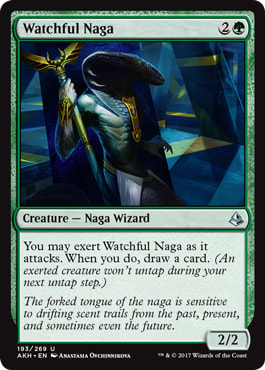
Notice how Watchful Naga doesn't have the tap symbol? It just has to attack to Exert.
Exert simply creates a delayed effect that applies during your next untap step. If the creature is tapped, it stays tapped. If it's untapped, it...stays untapped. Either way, the Exert "penalty" expires once the next untap step has passed.
This is why Vigilance interacts so cleanly with Exert and why untap effects can completely bypass the downside altogether.
Multiple Exertions Don't Stack the Punishment
You are actually more than welcome to Exert the same permanent multiple times before your next untap step if you have ways to do so. However, this doesn't mean the creature misses multiple untap steps.
All Exert effects created before your next untap step expire during the same untap step.
Mechanically, this means: Exerting a creature twice is no worse than Exerting it once
So, go nuts when you can.
 |
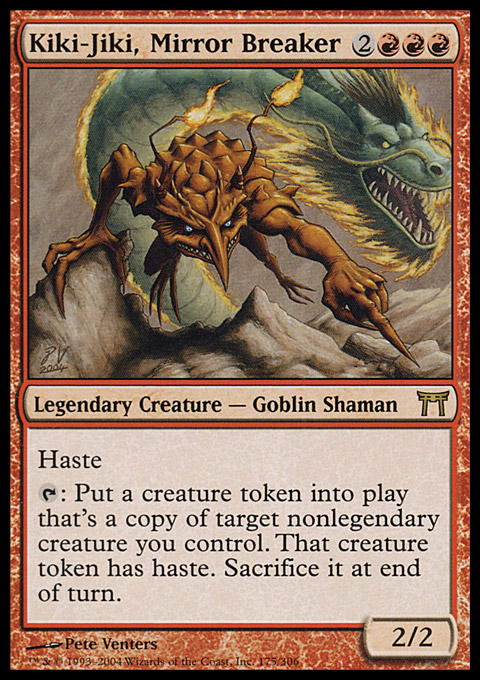 |
(cEDH players know what I'm talking about here).
Exerting While Attacking: Timing Actually Matters
Many Exert cards use the phrase: "You may Exert this creature as it attacks."
This is an optional cost to attack. And this means the decision to Exert or not happens as you declare attackers, not later in combat.
This leads to several crucial rulings:
- You must choose whether to Exert during attack declaration
- You cannot Exert later in combat
- Creatures that enter the battlefield already attacking cannot be Exerted
- Any abilities that trigger from Exerting resolve before blockers are declared
In short, you must always make your choice whether or not to Exert before you know how your opponent will respond.

Attacking with 3 creatures that you're Exerting? Resolute Survivors will trigger 3 times and go on the stack before your opponent can respond with a removal spell or declare blockers.
When to Exert, When to Rest
Every time you choose to Exert a creature, you're weighing immediate payoff against future stability, and that tension is exactly what makes the mechanic memorable.
The cost is clear, the reward is tempting, and the consequences are always unavoidable. When the dust settles, Exert always asks you a straightforward question: Is this the turn where pushing a little harder actually matters? Sometimes the answer is yes, and Exert wins you the game. Other times, that Exhausted creature leaves you utterly exposed for the swingback, and you wish you'd shown a bit more restraint.
And while Exert hasn't, nor do I think it particularly would ever, become an evergreen mechanic, its occasional reappearances show that the idea still resonates. Whether it returns in a modernized form or remains tied to Amonkhet's identity, it's a great reminder that some mechanics don't need to be everywhere to be successful. Sometimes, being memorable is plenty enough.

Now, to avoid pushing this segment harder than an Amonkhet initiate halfway through the Trials, I think it's about time to call it here. As always, happy brewing, and may you always know precisely when to push your creatures past their limits. Until next time!