 Locations



It's no secret that 2025 has probably been the most challenging year in a long time for Standard players regarding card availability. With this year having six sets, cards are being released at a much quicker rate. This means formats are more volatile, with strategies waxing and waning every set release. As a Constructed player, especially if you're newer to the game, it's incredibly hard to keep up with.
Universes Beyond has completely changed Magic forever. On one hand, UB has opened up Magic to an entirely new audience, bringing in players who have a love for a certain IP, giving them a reason to try out the game. It's probably because of UB that competitive play is even allowed to exist and thrive, due to the revenue it brings to Wizards of the Coast. On the other hand, it's caused some real headaches for more enfranchised and competitive players.
Take Starting Town for example. When Final Fantasy released this card was probably about $7, drifting upwards of $10. It's a versatile land that shines in Aggro decks, but due to the fact Edge of Eternities only had five of the ten shocklands (and we might not get the other five until Lorwyn next year), many decks rely on a card like Starting Town, especially after a bunch of lands rotated out of Standard only a week ago.

Starting Town has recently spiked, teetering around the $30 price mark, and incredible increase from what people thought the card was probably worth. It's not just because of Standard players this card is so expensive. Other Constructed formats probably want access to this, as well as Final Fantasy fans and Commander players alike.
Universes Beyond products are already higher priced than the in-universe Standard sets, and if they are higher in demand it makes it harder to acquire singles. With prices so volatile and product flying off the shelves, how do we move forward as players when cards are becoming harder to get ahold of?
"Everything for Trade, All of the Time"
About a decade ago, when I first moved to NYC for college, I became close friends with a Magic player named Colin Bevis. Colin inspired me as a player for a number of reasons; it wasn't just his friendly and calm demeanor and willingness to always be there for his friends, it was also his unique ability to make the most of the resources he had available to him. Colin showcased this in multiple facets of his Magic career.

As a player, Colin was one of the most unique draft players I knew, as he would read the table intently for what lane would be open, and scrounge together the cards no one wanted for a pretty powerful deck. I remember during various drafts of Battle for Zendikar, Colin would ignore the highly sought after Blue and Black cards and opt for Green instead - the worst color of the format. Players in the pod would fight over the more contested colors and all end up with middling decks - meanwhile Colin would quietly piece together a Green-based multicolored deck with all the good cards players didn't want - and beat them to a pulp with it.
Another aspect of Colin's utility of his resources was how he was able to afford traveling to multiple Grand Prixs a year. He would book the cheapest flight possible, bunk in a room with his vendor friends, and use the Friday before the main event to trade. Colin wasn't one of the sketchy "floor traders" of Magic events past, people who would try to get you to trade your cards at buylist price in exchange for their cards at full price. Colin traded for everything! Bulk rares, expensive dual lands, you name it. He would leverage his ability to not only be friendly, but fair in his trades, to do things like get a bunch of bulk rares to sell to vendors or trade for prize tickets, get a giant card off the prize wall, to sell to cover his entire weekend. I respected his hussle, and admired how putting in a little extra time and effort made his competitive Magic career affordable.
Colin coined a phrase which rings true to me even to this day, regarding your Magic collection: "everything for trade all of the time." This phrase originates from the concept of vending Magic: The Gathering. If you don't play, and thus have no emotional attachment to any cards, you have immense power in trading, as you might have cards that are in high demand. This concept also suggests that your collection should be fluid - meaning cards you own one day for one deck might be used as trade value the next to get cards you need for your next deck. This is the complete opposite of just buying cards and never getting rid of them; this is the concept that every card in your collection is temporary.
While this idea mainly applies to vendors, I'm stealing it to apply to competitive players as well. Now this concept of "everything is always for trade" reminds me of a lesson I learned in my favorite Mike Flores article, "How to Win a PTQ".
"Stay flexible. There are no permanent alliances to colors, to deck preference, to single card choices. Black might be purple, orange, or even Botswana next week."
With Standard so volatile you might have to adapt at a moment's notice. It's probably wise to keep at least a core collection of cards, things that will always be important like shocklands, format all-stars like Kaito, Bane of Nightmares, and cards you just enjoy playing, like Three Steps Ahead or Emberheart Challenger. However, you don't want to just hoard cards that you'll never end up playing.
If you're a competitive player, traveling to half a dozen Magic events per year, paying hotel, entry fees, flights, etc., then I wholeheartedly believe you should follow Colin's strategy, at least to some extent. At the end of the day, Magic is a luxury hobby. I'm not here to tell you that you need to sell your Commander pet deck or get rid of your first dual land if you want to make it to the big leagues of competitive MTG. Rather, I urge players to be mindful of just how much value is sitting in a box at home, not being used for tournaments, gathering dust. When you're paying out of pocket for all of these expenses tournament Magic racks up, why shouldn't you be trading, selling, and slimming down your collection?
Not to shamelessly plug, but CoolStuffInc has been an incredible resource for me at major Magic events. I usually stop by their booth on Friday of an event, drop off a deckbox of cards, and at some point pick up my store credit voucher - which I can even use online! This helps me set up a clear way to order cards I need for events. Back when I was play-testing for Spotlight Series Atlanta in January of this year, I needed to get a lot of cards for me and my brother who was attending the event. Using my store credit I was able to get the cards I needed in advance, taking the pressure off having to scrounge for them on site.
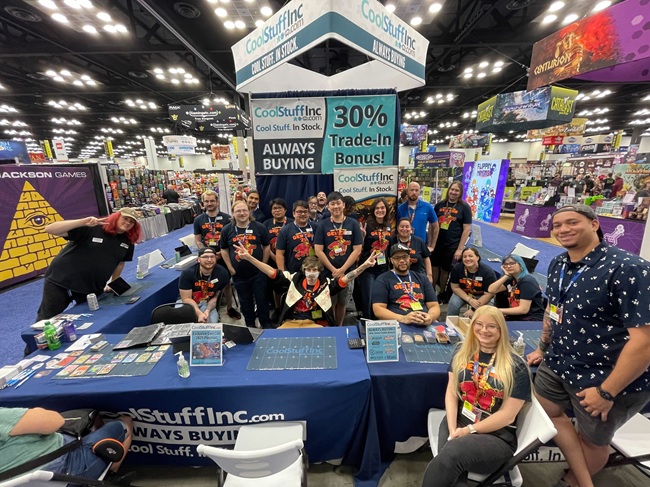
When new sets come out I try to pinpoint what rares and uncommons I should have or that I'll probably end up playing with. Before Edge of Eternities came out I preordered a playset of Seam Rip, Consult the Star Charts, and Beyond the Quiets because I knew they seemed good enough to be playable, and as a Control player I would need them at some point. The worst feeling in the world is being at an event and needing a playset of a niche uncommon, only to find no vendor has them in stock.
Magic: The Gathering is a game all about resource management, and the same goes for how you manage your time and expenses travelling across the country for a shot at the Pro Tour. Money can buy a lot of cards, but it certainly cannot buy you a blue envelope. It's important to know what cards aren't in use in your collection, and what ways you can maximize your Magic weekends.
I'm not saying you have to trade aggressively for prize wall tickets, or sell your entire collection save for one Standard deck, but it's worthwhile to know how you can keep your collection organized and airtight, so that you have the resources to play the decks you want to play and have the ability to travel to the events you want to travel to.
That 5th copy of Watery Grave you just opened? To the sell pile! That booster box you won from that RCQ? Post it on Facebook marketplace! That Modern deck you bought and only played once in the last year? Maybe it's time to retire it.
Be mindful of what cards you should and shouldn't have lying around. Colin taught me many important Magic and life lessons during his time in NYC, and it's helped make Magic events more accessible for me in the long run.
Thanks for reading,
-Roman Fusco