


 Locations



Introduction
Storm is one of cube's most dramatic and polarizing archetypes: capable of explosive, turn-4 kills, but requiring so much specialized support that it can cripple drafting dynamics if not carefully built around. While drafting Storm can be thrilling, playing it sometimes feels like solitaire - and for cube designers, the decision to support it carries risk and reward in equal measure.
Check out the other articles in this series here: The Comprehensive Guide to Cube Archetypes
Core Components
A functional Storm deck hinges on three core pillars:
 |  |  |
- Mana Acceleration
- Fast mana - rituals like Dark Ritual, Cabal Ritual, and Seething Song, artifact mana like Lion's Eye Diamond, Lotus Petal, and power cards like Black Lotus, Sol Ring, or Mana Crypt - these are Storm's lifeblood. Without them, the deck simply can't function.
- Card Filtering & Recursion
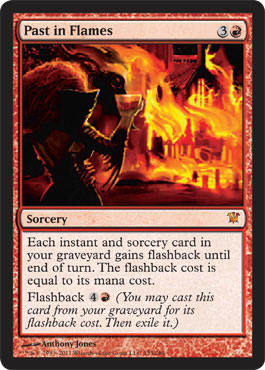
- To maintain turn continuity, Storm needs draw 7s (Time Spiral, Wheel of Fortune, Memory Jar), cantrips like Preordain or Frantic Search, and graveyard recursion via Yawgmoth's Will, Past in Flames, or Underworld Breach.
- Win Conditions
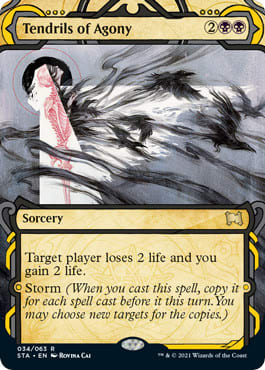
- Cards written to exploit high storm counts - such as Tendrils of Agony, Brain Freeze, Mind's Desire, Empty the Warrens, Grapeshot, Thousand?Year Storm - are what turn raw storm count into board?wiping or lethal impact.
Additionally, tutors (Vampiric Tutor, Mystical Tutor, Gamble) are essential for consistency and redundancy. Without them, Storm often breaks down.
Why It's Parasitic - and Why That Matters
Storm is the archetype most often described as parasitic in Cube design: much of its key pieces - rituals, tendrils, LED - are nearly useless outside the archetype itself.
That means:
- Draft fail rate is high: unless a player wheels several key picks, they may end up with a partial package and non functional deck.
- Slot inefficiencies: many picks are high-density niche cards rarely useful to other archetypes, which drags down Cube-wide playability.
- Interactive games suffer: Storm tends toward goldfishing turns where one player dominates while opponents do nothing, leading to uneven enjoyment.
However, parasitic doesn't always mean bad. If supported properly, Storm can become a pillar rather than a liability - though it demands dedication. When including Storm in your cube, you must do it on the ground floor. Don't try to jam it into your 720 unpowered cube.
Environment Matters: Powered vs. Unpowered
Powered Cubes
 | 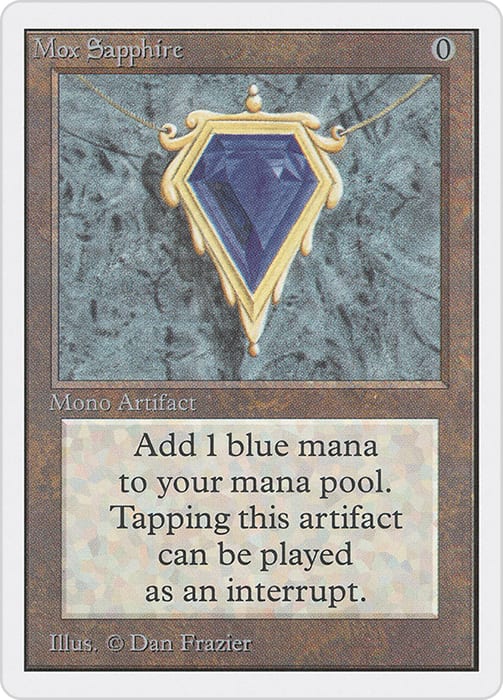 |  |
In powered (e.g., Vintage Cube), Storm thrives. Access to Black Lotus, Moxen, Ancestral Recall, and other legacy pieces makes fast acceleration and draw extremely consistent Draft strategies often revolve around not passing Tendrils in Pack 1, or prioritizing tutors early to lock the archetype in for the drafter's own path while denying it to others.
Lower-Power or Unpowered Cubes
 |  | 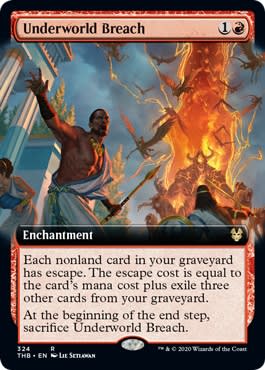 |
In 360 - 450 card or unpowered formats, Storm is much harder to support. Legendary Rituals and draw-seven effects are scarcer, and build tends to fizzle more frequently. Some designers pivot to using cards like High Tide, Mana Flare, Heartbeat of Spring, or Underworld Breach to simulate storm-like turns without fully committing to classic storm decks.
Unless you're willing to include many premium cards, the archetype becomes inconsistent, parasitic, and often omitted altogether in non?powered environments.
Draft Strategy: Taking Storm Effectively
Successful Storm drafting follows a particular hierarchy:
 |  |  |
- Begin by signaling: In Pack 1 - especially in powered Cubes - you should not pass key cards like Tendrils or Yawgmoth's Will, both to build your own deck and discourage picks by others.
- Pack 2/3 shifts: If the deck isn't coming together by mid-draft - no draw sevens or rituals - pivot to value cards or control picks rather than forcing it.
- Density is everything: You need multiple acceleration spells, multiple draw spells, and several win conditions to avoid fizzling.
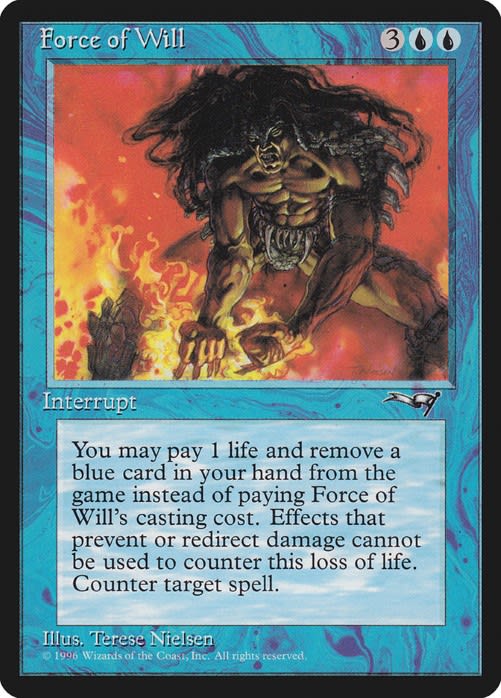
- Interaction matters: Counterspells and cheap interaction (like Force of Will) are surprisingly important - not to augment control, but to deal with other players' early threats while you set up.
A well-drafted Storm deck packs redundancy and back-ups - e.g. Past in Flames + Yawgmoth's Will, or Brain Freeze + Tendrils, plus artifact mana and a tutor package to ensure consistency.
Hybrid & Off-Meta Storm Variants
Some Cube variants embrace Storm's flexibility:
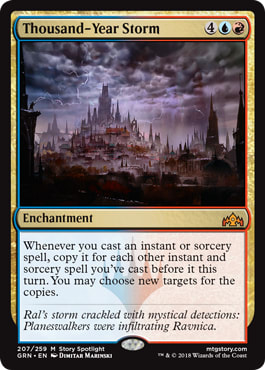 |  |  |
- Token-Storm hybrids: combine Thousand-Year Storm, Sentinel Tower, or Aetherflux Reservoir to allow partial value if full Tendrils kills are unavailable.
- Glimpse or reanimator lines: Storm can combine with Glimpse of Nature, Underworld Breach, or Reformation engines for loops - making the archetype less linear.
- Spells-matter shells: Rather than commit fully to Storm, some designers support a more general Izzet spells-matter strategy that has occasional storm-like finishers, but stays playable in tighter power environments.
Pro's & Con's Summary
Pros:
- Explosive, rewarding gameplay when it works.
- Broad drafting appeal - many players love the dream.
- Thrilling to draft if the pool supports it.
- Hybrid variants can salvage utility.
Cons:
- Highly parasitic and Cube?weak when it doesn't work.
- Requires many slots and may reduce overall Cube synergy.
- Draft fails frequently in non?powered Cubes.
- Games can be non?interactive and solitaire?feeling.
Tips for Cube Builders
- Decide your power level: Only run full traditional Storm in a powered or high?power Cube. For smaller or unpowered Cubes, consider a toned?down Izzet shell or offshoot variants.
- Build redundancy: Include multiple rituals, draw?7s, recursion effects, and win conditions - don't rely on a single Tendrils.
- Cross-support where possible: Use flexible pieces like Mana Flare, High Tide, Underworld Breach, Baral, Chief of Compliance or Paradox Engine that see play in other archetypes.
- Avoid clutter: Don't pile in every niche ritual or bad cantrip that only works in Storm; choose staples and splash?able cards. Keep the archetype tight to avoid overloading Cube slots.
- Monitor player experience: If your players love the archetype, they might tolerate its fail rate. If they prefer interaction and board play, lean away from it.
Closing Thoughts
Storm is Cube design at the extremes: thrilling when successful, but heartbreaking when it isn't. Its parasitic nature demands commitment - either you support it robustly, or not at all. For powered Cubes or environments where players love combo chaos, Storm can be a defining archetype. But in leaner, more interactive Cubes, it often does more harm than good.
Like many high-variance archetypes, its inclusion should be a conscious design choice: treat it like a luxury build, not Cube staple. When executed thoughtfully - with redundancy, flexibility, and carefully curated support - Storm can be an unforgettable and electrifying element of Cube play.