


 Locations



Splinter Twin / Kiki-Jiki Combo: Elegant, Explosive, but Delicate

Introduction
The Splinter Twin / Kiki-Jiki combo archetype is one of Cube's most iconic and dramatic finishes: two-card combos capable of producing infinite haste creatures and ending the game on the spot. Despite its elegance, the archetype is tricky to support - demanding thoughtful design and redundancy to avoid collapse. Like Reanimator, it's popular, powerful, and polarizing - delivering peak combo satisfaction when it goes off, and feel-bad moments when it doesn't.
Check out the other articles in this series here: The Comprehensive Guide to Cube Archetypes
1. Core Components
Combo Engines (Enablers)
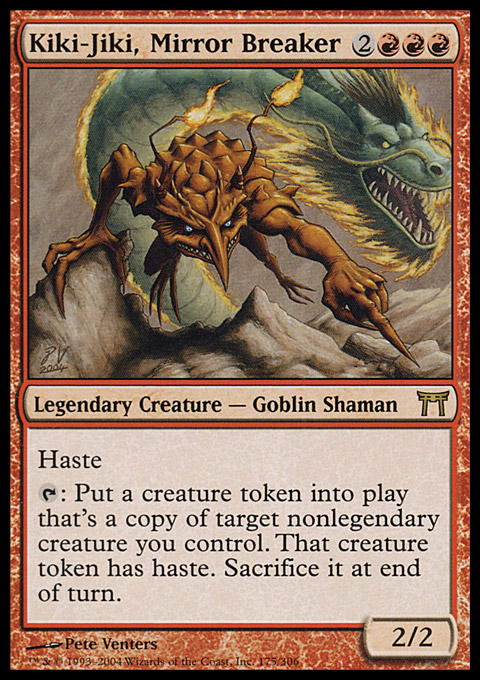 |  |
- Kiki-Jiki, Mirror Breaker: copies a non-legendary creature at instant speed - several mana-intensive but flexible.
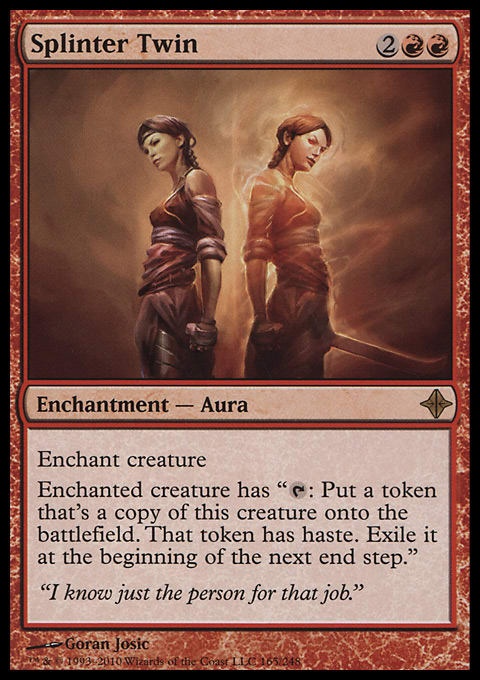
- Splinter Twin: enchants a creature; that creature generates a token copy and untaps the original - must enchant a creature that untaps on ETB.
Untapper Creatures
Core ones include:
 | 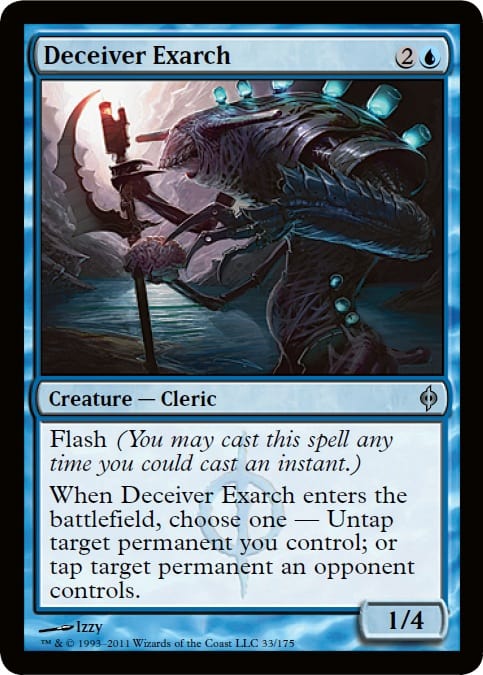 |
- Pestermite and Deceiver Exarch - Flash tempo creatures that untap another permanent, enabling explosive early plays.
Zealous Conscripts, Combat Celebrant, etc. - Many more can also fill this role but for the sake of simplicity we'll focus on the first two.
 |  |
Card Quality & Interaction
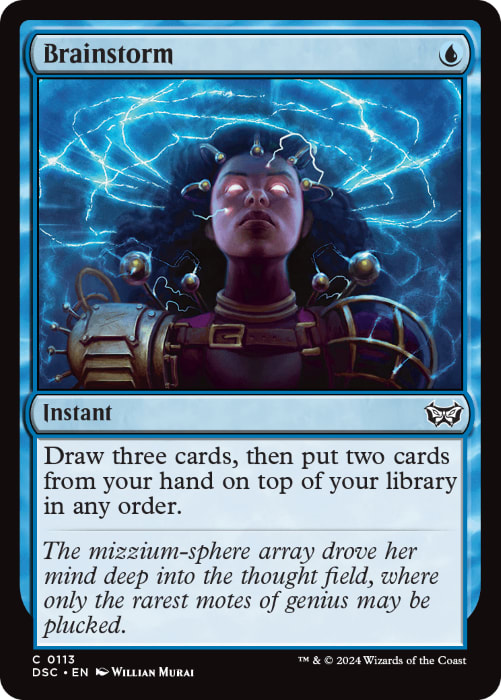 | 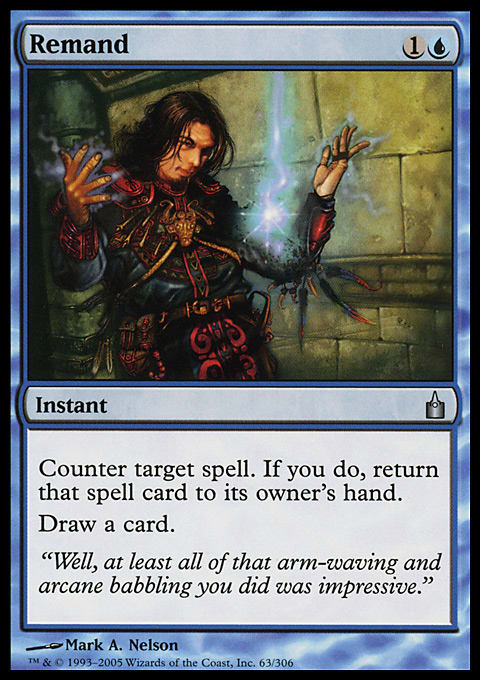 |  |
Successful decks lean on draw/filter effects (Preordain, Brainstorm, Fact or Fiction), removal and counterspells (Remand, Mana Leak, Lightning Bolt, Cryptic Command) to stabilize and find combo pieces.
Mana Fixing & Ramp
Since both combo pieces demand specific colors (especially red-heavy Kiki-Jiki), access to dual lands, fetches, and artifact fixing like Izzet Signet is crucial. Fetchable lands are often prioritized higher in drafting for these archetypes.
2. Why It's Semi-Parasitic - and Why That Matters
The Splinter Twin archetype is semi-parasitic. While many pieces function well on their own, they are also incredibly bright draft signals. I can't count the number of times I spoke to drafters building an Izzet Spells Matter deck, who felt "Obligated" to switch to Kiki-Jiki combo because the pieces were passed to them.
"Author's Note" I highly encourage everyone to put Kiki-Jiki, Mirror Breaker in their Cube without the infinite combo. Making a second copy of Inferno Titan in your Big Red deck is endlessly more fun and finishes games just as quickly.
3. Power Level Context: Where It Belongs
Powered / High-Power Cubes
This archetype thrives in Vintage or powered Cubes - abundant draw, fixing, tutors, and redundancy make combo kills consistent and interactive. The ability to switch between tempo-control or full combo lines helps decks survive without combo.
Mid-Power or Unpowered Cubes
Slower environments can support Splinter Twin - but often only as a tempo or ETB-value shell. Without fetch mana, Imperial Recruiter, or tutors, consistency suffers. Many designers omit or disable Splinter Twin packages because of variance or poor standalone card quality.
4. Draft Strategy: How to Recognize and Draft Twin
Signal Cards and Early Picks
Snagging Splinter Twin or Kiki-Jiki early (especially in Pack 1) often justifies pivoting to 
 control/tempo, with the combo as a win condition. If both appear early or wheel, it's typically meant for you.
Look for Redundancy
Combo consistency requires multiple untappers and enablers. If you only find a single Exarch and a Kiki, you may want to pivot rather than force. Reliable decks need at least two enablers and several untappers.
Alternate Win Conditions
Top-tier builds incorporate alternate game plans: perhaps Snapcaster Mage and destruction spells, Inferno Titan, or Jace-style control loops. That way, mid- and late-draft builds don't stall if combo fails to materialize.
Interaction Comes First
Some players advocate drafting interaction first - even in combo decks. Without removal or countermagic, combo builds risk being too fragile to stick pieces.
5. Hybrid & Off-Meta Variants
Value ETB Shells (Twincaster)
Even without full combo support, Kiki-Jiki or Splinter Twin can serve ETB-centric decks, blinking creatures like Snapcaster Mage, Reclamation Sage, or Wall of Omens for multiple triggers. These decks can still win without the combo.
Grixis / UW / WUR Splinter Decks
Variants that include cards like Restoration Angel or Felidar Guardian add alternate flicker paths beyond Twin, pairing temporal value with combo potential. Restoration Angel works only with Kiki-Jiki (not Twin), but still adds redundancy.
Hybrid Tempo-Combo Shells
Some Cubes embrace a "UR tempo with bonus combo" approach - using draft staples like Snapcaster Mage and Fact or Fiction, with the combo as a late-game finishing move. Less parasitic and more flexible.
6. Pros & Cons Summary
Pros:
- Compact combo architecture: only a few cards needed
- Iconic, dramatic, satisfying if it works
- Combo pieces have utility in tempo/value decks
- Fits well into

 control shells with flexibility
 - Scales well in powered/high-power environments
Cons:
- Highly fragile if missing pieces
- Can feel unfair - instant combo kills look like " ahtzee" wins
- Cards like Splinter Twin and Exarch still weak without full support
- Redundancy must be balanced; too much undermines draft archetypes
- Lower-powered Cubes struggle to support consistency and fixing
7. Builder & Drafter Tips for Cube Designers
- Decide your power ambitions: Support Splinter Twin only if your cube is medium-high power with card selection and fixing support (e.g. fetch lands, duals, draw spells).
- Make combo parts serviceable: Include strong tempo or ETB picks like Kiki-Jiki, Zealous Conscripts, Restoration Angel, Pestermite so they behave outside of combo decks.
- Include redundancy - but not overload: Two engines (Kiki+Twin), two to three untappers, value creatures or tutors like Imperial Recruiter, and some flicker value creatures.
- Always support interaction: Counterspells and removal help stabilize the shell and provide depth beyond combo spam.
- Watch empirical outcomes: If a Splinter Twin deck often auto-wins on one turn, or conversely often fizzles with missing pieces, adjust density or supporting cards accordingly.
Closing Thoughts
The Splinter Twin / Kiki-Jiki combo archetype is iconic for good reason: as a minimal-yet-powerful combo, it offers elegant finisher potential without bloating Cube slots. But it requires careful support and redundancy to feel fair. In powered or high-power Cubes, it can flourish as a tempo-control arch with explosive endgame potential. In leaner environments, it may not contribute enough value - unless supported heavily by interactive, alternate shells.
Ultimately, it's a "sometimes food" archetype: fun, efficient, and compelling when implemented with intentionality. But treat its inclusion like any high-variance strategy - only pull the lever when your Cube environment and player base welcome it.