 Locations


Before wedges had their names introduced in the martial landscape through Khans of Tarkir, we had five shards.
The shards were introduced in the 2008 set Shards of Alara and immediately gave us a new way to think about three-color identity. Instead of tension between enemy colors like wedges, shards revolve around a central color supported by its two allies, all united in purpose.
Three-color combinations remain wildly popular in Commander for a number of good reasons. They offer more flexibility than two colors while avoiding the chaos of five-color good stuff piles. More importantly, having only three colors restricts you just enough to foster creativity as I mentioned in my article about the wedges. You get access to powerful mechanics across three philosophies, but you still have to build some guardrails on.
And like last time, let's pick one commander that best exemplifies the core philosophy of each shard.
Esper (White, Blue, and Black) - Control and Denial

Commander 2013
Esper is the shard that most players associate with saying "No" whether through counterspells or boardwipes. Color to color, this is how things break down.
- Blue brings control.
- White brings structure.
- Black brings inevitability.
The commander that best represents Esper's philosophy is Oloro, Ageless Ascetic. Introduced in Commander 2013, before Eminence was even a keyword, Oloro gains you life from the command zone as well as the battlefield.
Oloro doesn't need to swing. He simply sits on his throne and generates value. Then whenever you gain life, you can pay mana to draw cards and drain your opponents. Oloro makes for a passive playstyle allowing you to build a pillow fort and just win through crushing inevitability by slowing down the pace of the game until until resistance feels futile.
Key Cards for Oloro, Ageless Ascetic
 |  |  |
Grixis (Blue, Black, and Red) - Cruelty, Crime, and Punishment
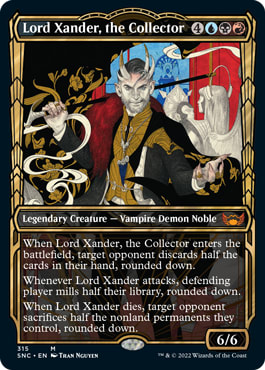
Streets of New Capenna
If Esper controls the table by saying "No," Grixis is the color combination that says, "You'll regret that" and punishes their opponents for basically breathing. Color by color, Grixis offers the following.
- Blue manipulates.
- Black exploits.
- Red revels in dishing out pain.
Lord Xander, the Collector is the embodiment of the Grixis mindset as he has three punishing effects aside from being a beefy 6/6 Demon. When he enters the battlefield, one opponent discards half their hand. When he attacks, the defending player mills half their library. When he dies, an opponent sacrifices half their nonland permanents.
Everything he does is pure agony... for your opponents.
Grixis philosophy is about punishing play patterns and destabilizing resources.
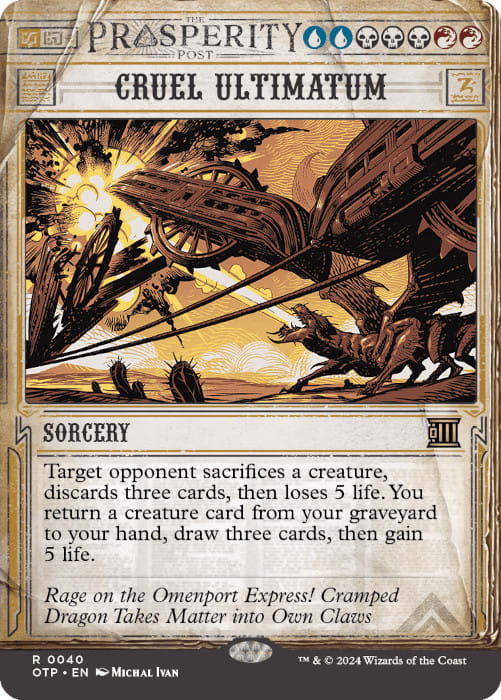
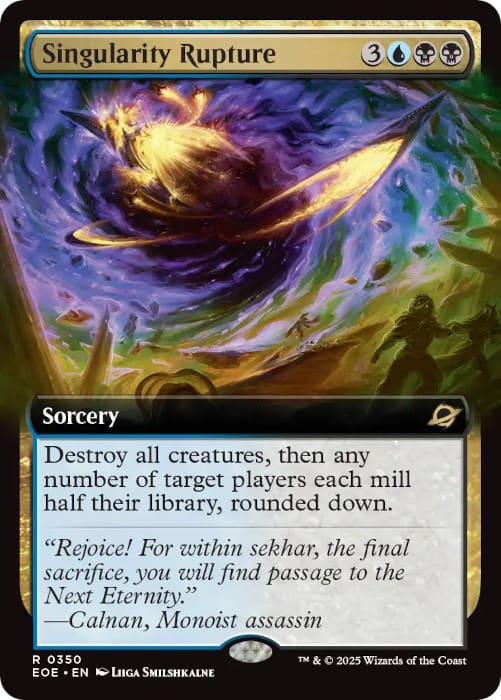
Key Cards for Lord Xander, the Collector
 |  |  |
Jund (Black, Red, and Green) - Hunger and Power Through Consumption

Throne of Eldraine
Jund is not a subtle shard. Jund wants power and chaos and it wants it all immediately and it will sacrifice any and all its resources to attain what it wants. Likewise, it's desires are not subtle.
- Green wants growth.
- Black wants power.
- Red wants action.
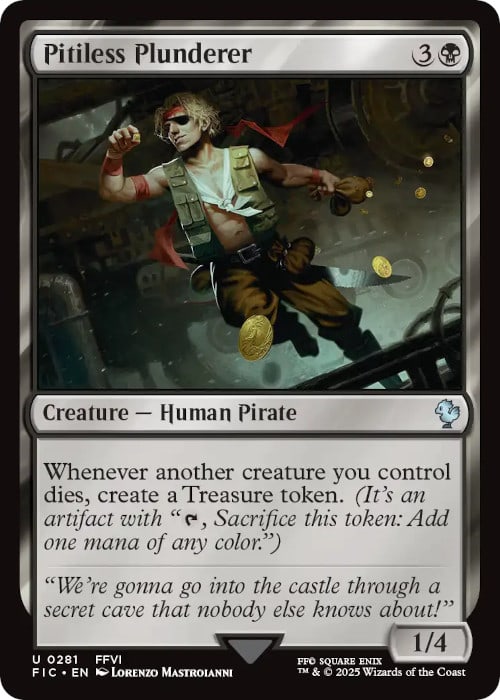
Korvold, Fae-Cursed King rewards you every time you sacrifice a permanent by growing larger and drawing a card. Treasure tokens, creatures, lands, food, clues. Everything becomes fuel for this Dragon Noble.
Jund philosophy is hunger but, unlike Sultai's calculated greed, Jund consumes. It devours its own resources to grow stronger in the moment. Korvold exemplifies the Jund philosophy as he grows stronger every time he feasts.
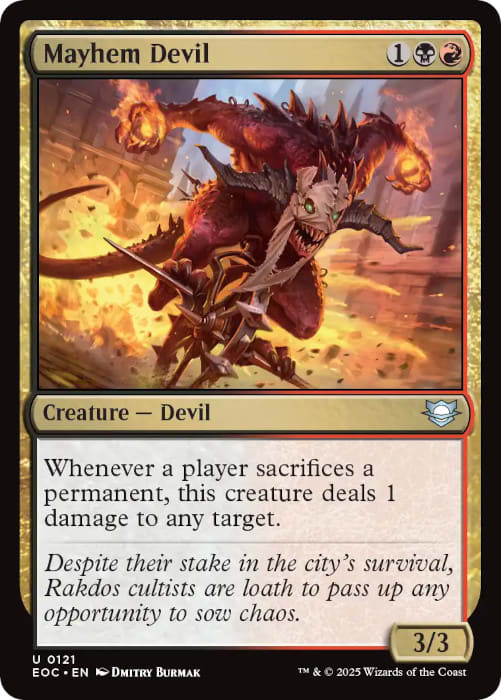
Key Cards for Korvold, Fae-Cursed King
 |  |  |
Naya (Red, Green, and White) - Strength in Numbers
Streets of New Capenna
Naya is the shard that outmuscles everyone else. It relies on instinct and aggression, disregarding any suave maneuvers to attain power unlike Temur. Naya philosophy is an overwhelming force through community. It believes that combat is the most honest way to resolve conflict and each color brings something new to the table.
- Red brings passion.
- Green brings primal power.
- White brings community.
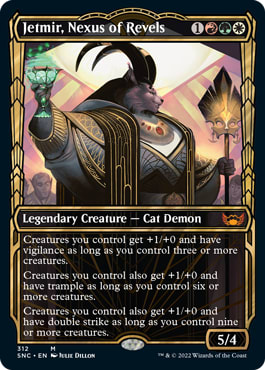
Jetmir, Nexus of Revels rewards you for doing what Naya does best, building a board and turning it sideways. With three creatures, your team gets vigilance and a power boost. With six, everyone gains trample. With nine, your already buff army gets double strike.
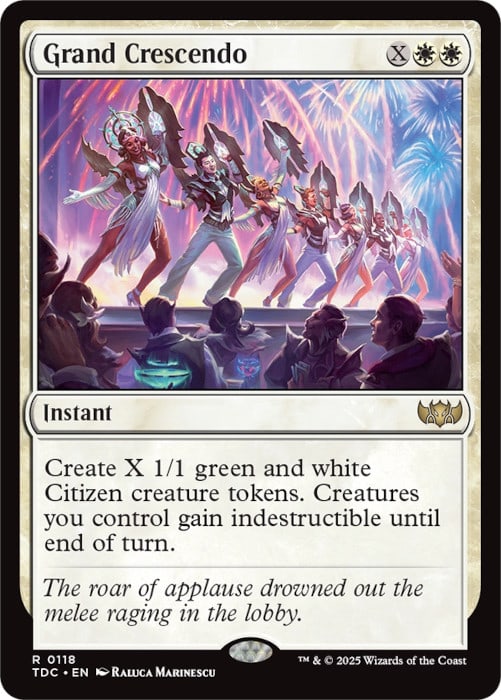
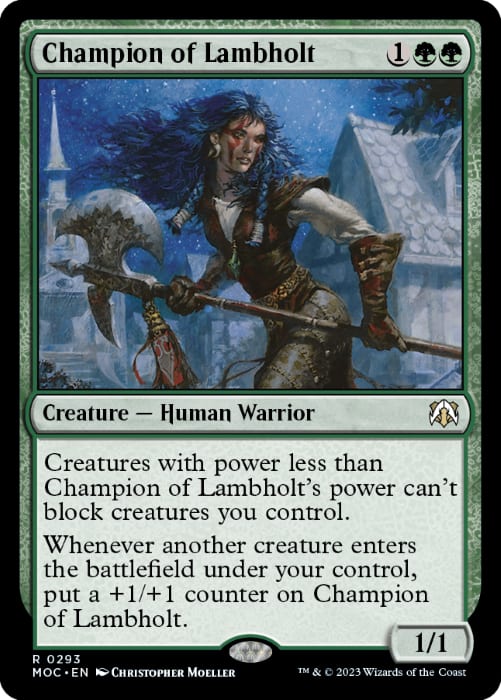
Key Cards for Jetmir, Nexus of Revels
 |  |  |
Bant (Green, White, and Blue) - Harmonious Value Engines
Throne of Eldraine
Bant philosophy is about maximizing synergy and layering incremental advantages upon advantages until you are so far ahead that combat is likely just an afterthought. This shard has a formula for success.
- Green ramps.
- Blue draws.
- White blinks.
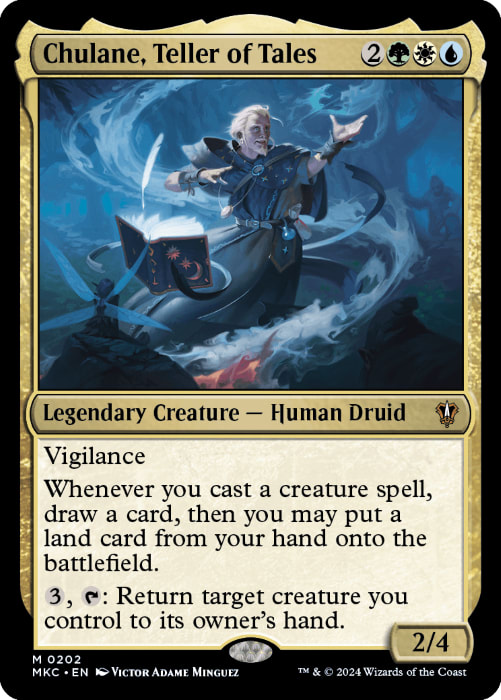
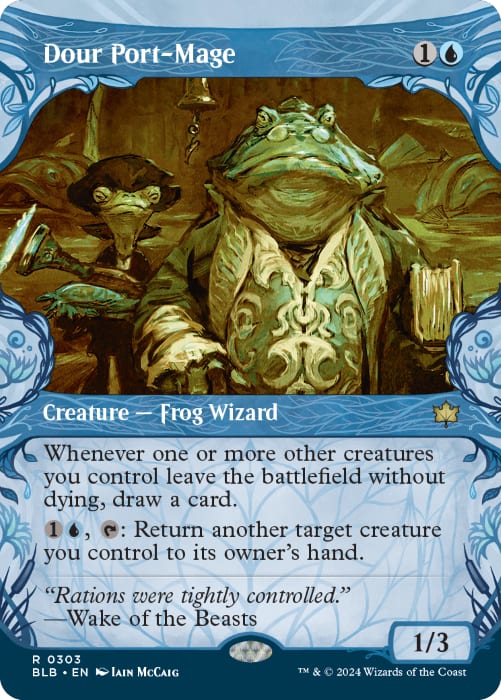
Chulane, Teller of Tales might be the most Bant commander ever printed. Every time you cast a creature, you draw a card and may put a land from your hand onto the battlefield. Then he has an activated ability to return a creature you control to your hand so you can do it all over again. This Human Druid synergizes so well with what Bant wants to do: profit from playing creatures.
Key Cards for Chulane, Teller of Tales
 |  |  |
Stellar System of Shards
Each shard represents a philosophy that any Magic: The Gathering player can gravitate towards. Esper controls, Grixis punishes, Jund devours, Naya overwhelms, and Bant harmonizes.
Three-color decks remain one of Commander's preferred ways to play because they showcase the strengths of each color while still asking creativity from the deck-builder. You gain access to powerful tools without defaulting to five-color piles.
If you enjoyed this breakdown of the shards, be sure to check out the companion piece on the wedges to see how three-color philosophies clash when enemy colors are forced to cooperate.