


 Locations



When players first begin exploring eternal formats in Magic: The Gathering, there are two that sound deceptively similar: Legacy and Vintage.
Both formats allow cards from throughout Magic's history, feature powerful interactions that would be impossible elsewhere, and carry reputations as some of the most skill intensive ways to play the game.
Despite these similarities, the two formats create dramatically different gameplay experiences. Let's see how they compare.
Legacy Vs. Vintage at a Glance
- Vintage uses a Restricted List while Legacy primarily uses bans
- Vintage allows powerful cards like Black Lotus and Ancestral Recall
- Legacy games tend to be slower and more interactive
- Vintage games are often defined by explosive openings and fast mana
- Legacy has a larger player base and more paper support
- Vintage decks generally cost significantly more
Now let's take a deeper look.
What is Legacy?
Legacy is an eternal constructed format where players can use cards from nearly every set in Magic: The Gathering's history, as long as they haven't been banned. Unlike rotating formats such as Standard, Legacy retains access to decades worth of mechanics, interactions, and archetypes.
Legacy has developed a reputation as perhaps the most interactive format because powerful answers exist alongside powerful threats.
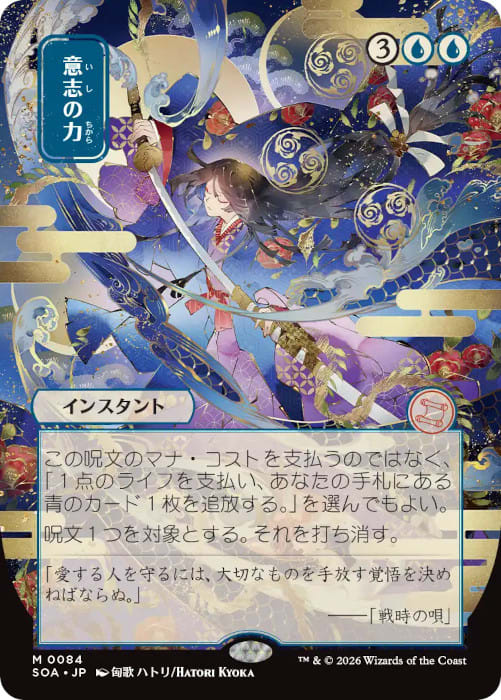 |  |  |
Cards like Force of Will, Brainstorm, and Wasteland define gameplay by rewarding careful sequencing and technical play. Many players describe Legacy as a format where everything feels powerful but nothing feels unfair.
What is Vintage?
Vintage is often described as Magic without limits. While this is not completely true, it is closer to reality than any other sanctioned format.
Vintage allows players to use nearly every card ever printed, including cards that are banned nearly everywhere else. There are a few banned cards in Vintage, including dexterity cards like Chaos Orb, ante cards like Demonic Attorney, sticker and attraction cards like Command Performance, and conspiracy cards like Brago's Favor.
 | 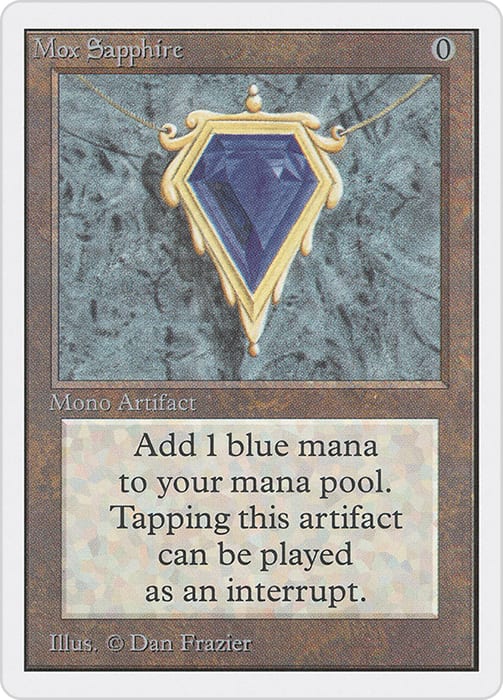 |  |
The defining feature of Vintage is fast mana. Cards like Black Lotus, Mox Sapphire, Mox Jet, and other pieces of the Power Nine dramatically accelerate games. Despite this explosive reputation, Vintage games often involve surprisingly complicated decision trees because nearly every card is individually powerful.
Legacy Vs Vintage Rules Differences
The largest distinction between the formats is how they regulate card legality and what type of play experience they prioritize.
Legacy Uses Bans
If a card becomes too powerful or creates unhealthy gameplay patterns, it is banned completely. Examples include:
The reason Legacy uses a banned list is to keep things balanced and make sure players have the chance to interact with the powerful things their opponents are attempting to do.
To better understand this concept, look no further than the May 18th, 2026 ban of Undercity Informer. This seemingly unassuming card was a key engine piece in the popular Oops, All Spells deck.
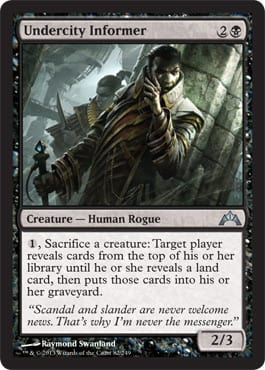
These strategies used the Informer in combination with MDFC's like Fell the Profane to play zero lands and consistently mill their entire library in a single turn to win through a combination of three Narcomeba, Dread Return, and Thassa's Oracle.
Leading up to the ban, the deck had grown increasingly popular, and its win rates were climbing. When combined with its ability to win the game on turn one before your opponent even had a chance to play a land, it became overly frustrating for format veterans. The card was banned to help disrupt the strategy.
Vintage Uses Restrictions
Instead of banning most cards outright, Vintage limits problematic cards to one copy per deck.
Examples of some limited cards include:
This difference creates dramatically different deckbuilding incentives where all players are encouraged to play with the best cards and find ways to leverage that fast mana.
For instance, the popular Vintage deck built around its namesake card Oath of Druids is functionally a Simic 
 deck that also plays Mox Jet, Mox Ruby, and Mox Pearl because the access to free mana is so powerful even if it isn't on color.
Why does vintage restrict instead of ban?
Vintage's philosophy differs significantly from most formats. The goal is not necessarily balance but preserving history. When players think of the most iconic cards ever printed, they often think of the "Power 9" which includes many cards that are not legal in any other sanctioned format.
Because Vintage serves as a showcase of the game's most powerful cards, restrictions are preferred whenever possible. Of course, some bans still do occur.
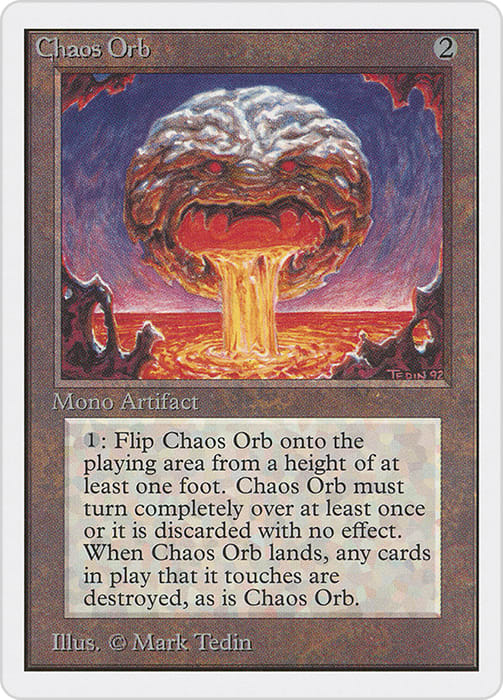
Generally, this only happens when cards create logistical issues or fundamentally break tournament play. This philosophy explains why players can cast Black Lotus but cannot play cards like Chaos Orb that require dexterity to play.
Understanding Legacy's Metagame
Legacy gameplay tends to revolve around efficient threats, efficient interaction, and resource management, though that definition can be adapted to fit aggro, control, and combo shells.
Popular Aggro Strategies
Izzet Cutter Tempo: Decks using this approach leverage Cori-Steel Cutter, Dragon's Rage Channeler, and Murktide Regent back by the best counter spells, draw spells and burn spells to create opportunities to attack for incrementally larger damage.
Death & Taxes: An archetype that utilizes small disruptive White Creatures like Thalia, Guardian of Thraben and White Orchid Phantom that make your opponents stumble while consistently applying pressure.
Popular Control Strategies
Artifact Prison: A colorless deck that wants to assemble all three tron lands like Urza's Tower to cast large lock pieces like Karn, the Great Creator and Mycosynith Lattice to prevent your opponent from playing the game.
Popular Combo Strategies
Show and Tell: These decks attempt to use Show and Tell to put cards like Omnisence into play which in turn lets you cast cards like Emrakul, the Aeons Torn for free as early as turn two.
Reanimator: Another classic archetype that tries to discard cards like Griselbrand so that they can be the target of an early Reanimate effect, allowing you to get around its heavy mana cost and draw the rest of your library with ease.
Vintage Metagame Overview
Vintage gameplay is more extreme thanks to the powerful mana acceleration, which compresses games dramatically and creates an environment where players must constantly respect explosive openings.
Popular Aggro Strategies
MUD: This approach gets its name from the "muddy" brown color of the border on vintage Artifacts, is an aggro deck that cares about playing as many artifacts as possible. Mishra's Workshop and the various moxen allow players to cast Patchwork Automaton and unload the rest of their hand on turn one to create a hard to deal with threat that ends the game quickly.
Popular Control Strategies
Oath of Druids: The Oath of Druids control deck only plays one Creature in Atraxa, Grand Unifier, thereby breaking the balance on Oath of Druids and guaranteeing that their hand is always full of interactive spells.
Popular Combo Strategies
Dredge: Golgari Grave-Troll has been on and off various banned lists more times than worth mentioning. In vintage it has to be restricted, because the Dredge combo deck only plays one land, Bazaar of Baghdad, which allows players to Dredge multiple times each turn and generate unreasonable value.
Cost Differences
One of the biggest practical differences between formats is cost. Vintage decks often contain Power Nine cards, Reserved List staples, and extremely scarce pieces that drive the cost upwards of $10,000 to build most decks in paper. Legacy is certainly expensive compared to most formats, but the absence of Power Nine makes entry somewhat easier.
Proxy events significantly reduce this barrier for Vintage players, which is why many Vintage communities embrace proxy friendly tournaments.
Is Legacy or Vintage more skill intensive?
This question generates endless debate.
Legacy as a format rewards long term planning, proper sequencing, resource management, and effective sideboarding. Conversely, Vintage requires a high level of format knowledge, threat assessment, and mulligan decisions.
Both formats offer a lot of complexity for players to sink their teeth into and reward players for different skills.
Which format should you play?
You should consider Legacy if:
- You enjoy interaction
- You want more paper support
- You prefer longer games
- You want more tournament opportunities
You should consider Vintage if:
- You want maximum power level
- You enjoy bizarre interactions
- You love fast mana
- You want to experience the full history of Magic
A common misconception is that Vintage is simply "Legacy with more cards." In reality, the formats evolved in completely different directions.
Legacy rewards consistency. Vintage rewards explosiveness. Legacy asks: "How efficiently can you execute your plan?" Vintage asks: "Can your opponent stop you immediately?" These philosophical differences explain why players often strongly prefer one format over the other.
Conclusion
Legacy and Vintage represent two very different visions of eternal Magic: The Gathering. Legacy creates an environment where powerful cards interact through tight gameplay and incremental advantages, while Vintage embraces the absurdity of casting some of the strongest cards ever printed.
Neither format is objectively better. The right choice depends entirely on what you enjoy. If you want deep interactive games with extensive tournament support, Legacy is likely your destination. If you dream of casting Black Lotus and experiencing the game at maximum power, Vintage offers an experience unlike anything else in the game.