 Locations



In the ever-evolving landscape of Disney Lorcana, players constantly seek an edge, a deeper understanding of the game's mechanics that can lead to consistent victory. Beyond individual card strength and deck archetypes lies a more nuanced, yet profoundly impactful concept: tempo. Tempo, in essence, is the momentum of the game, the ability to efficiently deploy threats, answer an opponent's plays, and dictate the pace of lore accumulation. For advanced players, understanding, gaining, maintaining, and preventing the loss of tempo is not just a strategy, but a cornerstone of high-level play, often spelling the difference between a close match and a decisive win.
What is Tempo in Disney Lorcana?
At its core, tempo in Lorcana refers to the advantageous use of your ink and turns relative to your opponent. It's about making plays that advance your board state and lore count while simultaneously hindering your opponent's ability to do the same. A player with tempo is proactive, forcing their opponent into reactive stances. This doesn't always mean having the most characters on the board or the most cards in hand (though those can be components of tempo); rather, it's about the impact of your plays turn over turn.
Playing "on curve" - meaning efficiently using your available ink each turn to play progressively more impactful cards - is a fundamental aspect of establishing tempo. A turn one play like Lilo - Making a Wish, who quests for two lore the following turn, can seize early tempo. Conversely, having to ink a crucial card because you lack playable options or being forced to use your entire turn to deal with a single threat from your opponent signifies a loss of tempo.
The Unwavering Importance of Maintaining Tempo
Maintaining tempo throughout a Lorcana match is paramount because the game is fundamentally a race to 20 lore. The player who consistently dictates the flow of play can control this race. When you have tempo, you are essentially asking the questions, and your opponent is forced to find the answers. This often leads to several advantages:
- Consistent Lore Generation: By establishing and protecting your lore-generating characters, you maintain a steady march toward victory.
- Board Control: Tempo allows you to make favorable challenges, removing opposing threats while preserving your own. This forces your opponent to spend resources rebuilding rather than advancing their own game plan.
- Resource Depletion for the Opponent: A player constantly reacting to your tempo plays may be forced to use cards inefficiently or make suboptimal ink choices, depleting their hand or inkwell at a faster rate.
- Psychological Pressure: Constantly being on the back foot can lead an opponent to make mistakes or deviate from their optimal strategy.
- Exploiting Opportunities: When you control the tempo, you are better positioned to capitalize on an opponent's misplays or an empty board, potentially leading to explosive turns where you quest for significant lore or establish an overwhelming board presence.
Losing tempo, even for a turn or two, can be disastrous. It allows your opponent to stabilize, develop their own threats, and begin dictating the pace of the game, forcing you into a reactive and often less favorable position.
Gaining Tempo: Seizing the Initiative
Gaining tempo involves making plays that are more impactful or efficient than your opponent's in the current state of the game. This can be achieved in several ways:
- Efficient Character Deployment: Playing characters that offer immediate value, either through strong questing power for their cost, disruptive abilities, or favorable stats for challenging, is key. For example, deploying a character like Flynn Rider - Charming Rogue early on can be a strong tempo play. He quests for two lore and, if challenged and banished, forces the opponent to discard a card, creating a two-pronged advantage.
- Cost-Effective Removal: Using action cards or character abilities to remove an opponent's character at a lower ink cost than the character removed is a classic tempo gain. For instance, using Fire the Cannons! (costing 1 ink) to banish an opponent's character that cost 4 or 5 ink to play not only removes a threat but also represents a net positive ink exchange for you, allowing you to potentially play another card that turn.
- "Blowout" Turns with Songs: Song cards offer a unique way to gain tempo. By having a character of sufficient cost exert to sing a song for free, you effectively gain the ink cost of that song as a tempo advantage. Imagine playing a character and then using that character to sing a powerful removal song like Let It Go or a disruptive song like Friends on the Other Side in the same turn without paying the song's ink cost. This allows you to develop your board and interact with your opponent's board or hand, a massive tempo swing. For example, if you play a 7-cost character and then exert them to sing Be Prepared, clearing the entire board while still having your 7 ink available to redeploy threats, you've gained immense tempo.
- Disruptive Abilities: Characters or actions that discard cards from your opponent's hand, return their characters to their hand (bouncing), or exert their characters unexpectedly can significantly disrupt their plans and gain you tempo. A well-timed Mother Knows Best, returning a freshly played, expensive character to your opponent's hand, essentially nullifies their last turn's ink investment, a huge tempo gain for you as they must spend the ink again.
Preventing Loss of Tempo: Protecting Your Momentum
Once you have tempo, the next challenge is to maintain it and prevent your opponent from wrestling it away.
- Strategic Challenging vs. Questing: Knowing when to quest for lore and when to challenge opposing characters is crucial. Sometimes, forgoing a quest to remove a key opposing character that could generate more lore for them in the long run or enable a powerful ability is the correct play to maintain tempo.
- Playing Around Removal: Be mindful of common removal cards your opponent's ink colors might have. Overextending your board with multiple vulnerable characters can lead to a devastating tempo loss if your opponent has a board wipe like Grab Your Sword or Be Prepared. Holding back a character or two in hand allows you to rebuild quickly after such a play. For example, if you are playing against a Steel ink opponent who is likely running Grab Your Sword, avoid playing out multiple characters with 2 willpower or less if you already have a decent board presence.
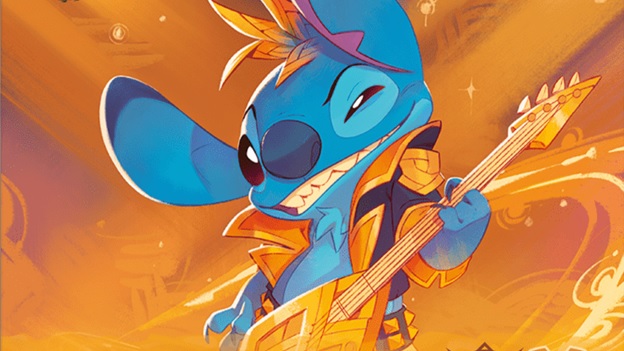
- Protecting Key Characters: Utilize bodyguard characters or items that grant Ward or other protective abilities to shield your important lore-generating or utility characters from removal. If you have a high-questing character like Stitch - Rock Star, protecting him with a character like Hercules - True Hero (who has Bodyguard) can prevent your opponent from easily removing your primary lore engine, thus maintaining your tempo.
- Efficient Ink Usage: Continue to play "on curve" as much as possible. Avoid turns where you leave significant amounts of ink unused unless you have a specific strategic reason (like holding up ink for a reactive card). Wasting ink is a direct path to losing tempo.
- Anticipating Opponent's Plays: Understanding the meta and common deck strategies for your opponent's ink combination allows you to anticipate their likely next plays. This foresight enables you to make proactive moves to counter their strategy and maintain your tempo advantage. If you know your opponent is playing an Amethyst/Ruby control deck and is approaching 7 ink, you might anticipate a potential Be Prepared and adjust your board commitment accordingly.
In conclusion, tempo is a dynamic and critical element of Disney Lorcana. It's the art of controlling the game's flow, making efficient plays that advance your position while disrupting your opponent's. By actively seeking to gain tempo through impactful character deployments and cost-effective interactions, diligently working to maintain it by making smart strategic decisions about questing versus challenging and playing around removal, and striving to prevent its loss by protecting your key assets and anticipating your opponent, players can significantly elevate their game. Mastering tempo transforms a player from merely playing cards to orchestrating a strategy, paving the way for more consistent and commanding victories in the magical world of Lorcana.
This article was brought to you by CoolStuffInc. Interested in talking more about Lorcana? Follow me on X. Until next time, see ya!