


 Locations



At its core, Cube is an expression of its designer, and as such it can be anything they want. The question, "Is Cube a singleton format?" is a lot like asking, "Is art made with pain?" Yes it can, but it doesn't have to be. Credit for inspiring this article belongs to the Cube Curators Kade and Bones, whose recent interviews sparked my interest in the topic. In today's article we're going to explore the merits of breaking singleton in your cube and why so many curators still don't do it.
The Pros of Allowing Duplicates
1. Improved Consistency
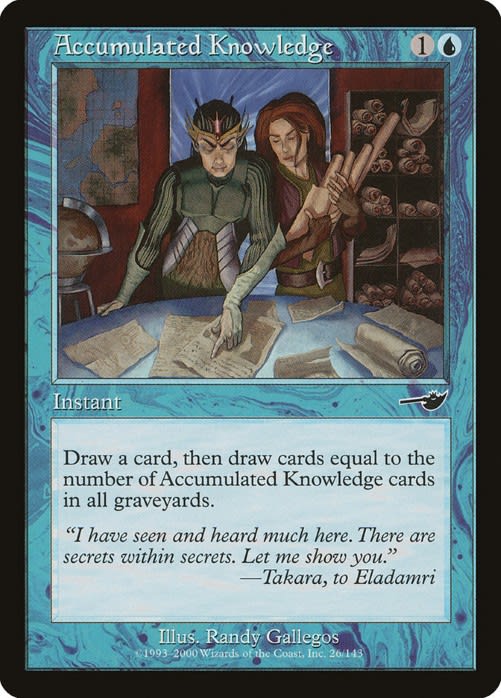 |  |
The most common argument for duplicates is that it increases the consistency of the draft. If you have two (or three) copies of a key card, players are more likely to see one in their draft, and the strategy becomes more reliable. For archetypes that rely on a specific card to get started (like combo), duplicates reduce the risk of the archetype being unplayable simply because you didn't hit that one copy. Furthermore, it becomes downright crucial if you want to experiment with cards like Accumulated Knowledge or Galvanic Bombardment that need multiples to function.
2. Better Expectations
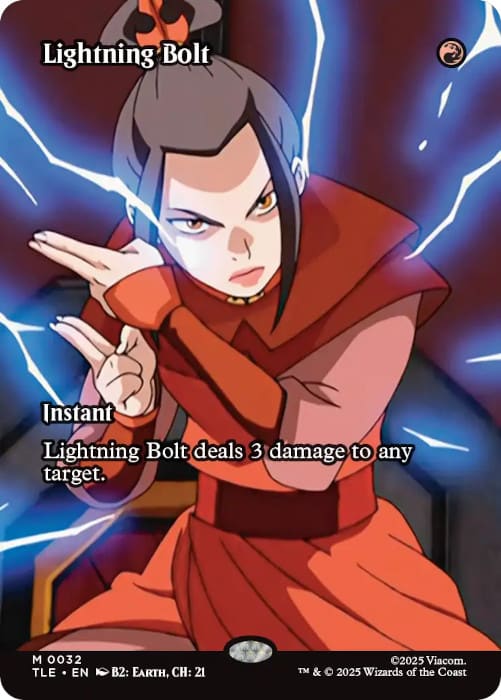 |  |
There is no worse feeling than finishing a draft and feeling good about the Flame Lash and Smite the Deathless in your deck, only to find out another Red player is casting Lightning Bolt and Delayed Fireball Blast. Duplicates of certain cards not only make drafting more intuitive, but more balanced. If you've determined that your Cube's power level and curve need two one-mana burn spells, just double up on Lightning Bolt instead of playing Chain Lightning. Furthermore, if your Green deck wants 3 functionally identical mana dorks, just add 3 copies of Llanowar Elves instead of adding a Fyndhorn Elves and Elvish Mystic to the mix. Your drafters will thank you.
3. Mimicking set-draft feel & balancing rarities
If you're designing a "set Cube" (i.e. a Cube trying to simulate a booster-draft experience), duplicates help approximate the realities of pack distribution. For example, Innistrad by curator TappTapp, does an excellent job of recreating the beloved triple Innistrad draft, and includes enough cards to accurately portray pack size, rarity distribution, and inclusion of DFC's in each draft.
4. Baltimore Singleton
 | 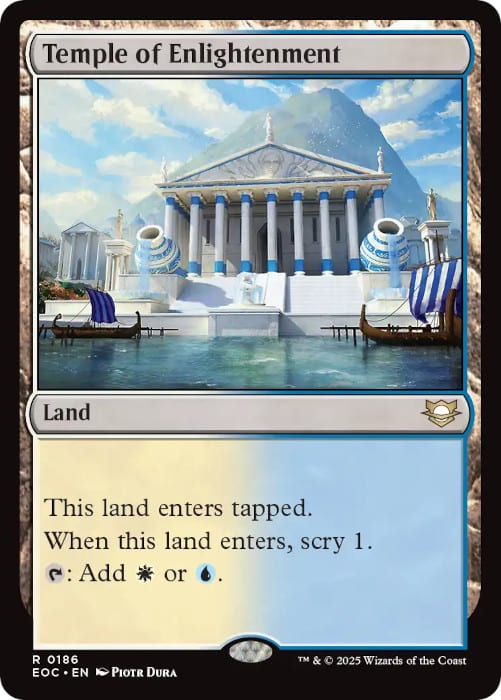 |
Lastly, I would be heartbroken if I didn't shout out my home city, and mention the growing popularity of "Baltimore Singleton." A term originally coined to mean a singleton Cube with two of each fetch land, the popular concept is now more broadly used to describe Cubes that adhere to the singleton rule everywhere except the mana base. If your Cube really wants a second copy of Meticulous Archive, don't use Temple of Enlightenment instead. Flattened mana fixing translates to one less thing for your drafters need to think about and a better draft experience overall. If you want to dip your toe into duplicates, this is the place to start!
The Cons of Allowing Duplicates
1. Reduced Novelty
One of the big joys of singleton Cubes is the novelty: you might get any unique card, every draft feels different, and the "card you saw last draft" is unlikely to show up again. There are over 27,000 unique Magic cards and most Cubes only use 360-540, so many Cube Curators ask the fair question, why limit yourself?
2. Draft balance issues & table dynamics
With duplicates, you might increase the risk of multiple players vying for the same card. If there are two copies of a bomb and multiple players want it, the first pick is still hugely rewarded and the second pick might be significantly weaker. In other words, duplicates can skew table dynamics toward "race for the card." Also, duplicates may lead to more "tabled" cards (cards that get ignored) because when more of one card becomes available, fringe cards tend to fall further by the wayside and allow for less player experimentation.
3. Complexity in cube design and balancing
Including duplicates means you need to revisit your "count" paradigm: how many total cards are in your Cube, how many copies of each archetype/piece, how many support cards, etc. You might find that duplicates eat up space and reduce how many unique cards you include, which reduces your ability to cover as many archetypes or effects as you might otherwise. Additionally, if you duplicate too many powerful cards, you risk certain decks being too consistent and dominating the format.
4. Dilution of singleton philosophy
For many Cube curators, the singleton approach is still the guiding principle that makes Cubes fun. It forces players to stay flexible and creative, and encourages drafting around table signals. If you allow duplicates, you may undermine some of that philosophy and potentially make the Cube feel more like Constructed or less dynamic.
How to Find the Right Balance
Given that both pros and cons exist, here are a few guiding questions and practical tips to help you decide whether to allow duplicates and how many.
Decide on your core goals
Do you want your cube to emphasise variety and "discovering new cards" each draft? Then lean toward singleton. Do you prioritise draft success, playable decks, and consistent archetypes for every draft? Then duplicates might help. Make the decision upfront, and ask yourself what experience you want your group to have?
Test and Iterate
After a few drafts, ask if players are consistently drafting similar decks? Are some archetypes never showing up because one card isn't available? Are some decks dominating because they got both copies? Adjust duplication counts: if duplicating a card leads to overload, reduce to one; if it never sees play because there is only one copy in a large card pool, consider adding a second. The process of balancing a Cube takes time and patience so don't rush to conclusions.
Final Thoughts
Allowing duplicates in a Cube is neither inherently "good" nor "bad." It's a design choice that shifts the format. If you want more consistency, better archetype reliability, and smoother drafts, duplicates have real value. If you want maximum variety, surprise, and a "singleton spirit," then minimizing duplicates is the way to go. By clearly articulating your goals upfront, and by choosing which cards to duplicate (rather than duplicating arbitrarily), you can craft a Cube experience that hits the sweet spot between novel and playable. Thanks again for reading and happy Cubing!