


 Locations


Hello everyone! I'm Levi from The Thought Vessel, and I've been playing Commander for a long time. At this point, I've logged thousands of Commander games and built hundreds of decks. I've met some great people through this game and learned a lot about Commander and Magic in general. One of the things I love most about Commander is how different every game feels. Sometimes you're in a tense standoff, sometimes you're politicking with the table, and sometimes someone explodes out of the gates while everyone else scrambles to keep up. That variety is what makes the format special, but it's also what makes it tough for new players to navigate. Unlike other formats with tighter rules and expectations, Commander has a social layer, a politics layer, and a deck-building layer that can all be overwhelming at first.
When I first started playing, I made a lot of mistakes. I didn't always understand when to hold back, how to assess threats, or even how important it was to find the right people to play with. Over time, and after thousands of games, I've learned a lot about what makes Commander fun and what keeps it from becoming frustrating. So today I want to share some of the biggest lessons I've picked up along the way. These are the things I wish I'd known before I shuffled up my first deck, and I hope they help you get the most out of your Commander games too. Let's dive in.
The Table Always Finds a Villain
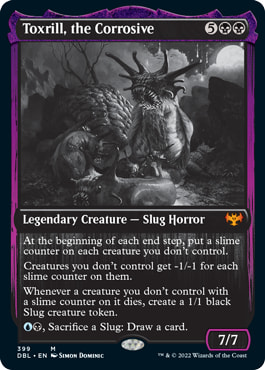
Commander is advertised as a four-person free-for-all, and on paper that's what it is. In practice though, "the threat" consistently turns the game into three versus one until that player is either knocked out or whatever threatening factor they have is removed. This could be something small like a turn-one Sol Ring, or something huge like Toxrill, the Corrosive. Either way, when three players work together against one, it usually does the trick.
If you're playing Commander, it can sometimes make sense to sandbag a little bit. Let someone else take the spotlight early and draw the attention of the table. When the dust settles and the threat is knocked down, you'll have a window to take the lead and fight from a much stronger footing.
Kingmaking Happens More Than You Think
Since bracket three and below Commander games typically don't use a lot of combos, you usually won't see games end out of nowhere. Instead, they come down to combat damage and slowly whittling down life totals. That often leads to awkward situations.
Picture this: Player 1 doesn't have enough power to take out both opponents, but if they don't attack, one of those opponents will knock them out next turn. At that point, it's a lose-lose. You can try to politic with the table, but usually you'll end up deciding who takes second place to. It's awkward, but it happens a lot, and it's not something you should feel bad about.
Your Playgroup Is Everything
Going to your local game store is a great way to meet people and get into random pods, but if you want the best long-term experience, you need to find the right group to play with. There are a lot of ways to enjoy Commander. Some players want to be competitive, some want to jam combos, and some just want strictly combat wins.
The best way to get the most out of your time is to connect with like-minded players who enjoy the same style of game you do. That's how you'll end up with sessions that are fun, consistent, and memorable while playing the type of games that you want to play.
Don't Forget Your Vegetables

This is the format of explosive turns, but that doesn't mean every card in your deck needs to be a bomb. You also need the unexciting but essential pieces that keep the deck working.
This is where your "vegetable" cards come in. Some players argue every card should push your deck's theme, but it doesn't matter how much gas is in the car if it doesn't have wheels. Cards like Harmonize may look boring, but they smooth out the rest of your game and push your synergy pieces forward when they come up. Big plays only happen when the groundwork is there.
Threat Assessment Takes Time to Learn
This might be the single most important thing to keep in mind when playing with new players. Like the old Farmers Insurance commercials, Commander players know a thing or two because they've seen a thing or two. Experience teaches why not paying the one for Rhystic Study is dangerous, or why the player with no board but ten cards in hand is scarier than the one with a battlefield full of creatures and no hand at all.
New players usually need to take some lumps and make mistakes before they pick up on these patterns. That's just part of the learning process. The best way to grow this skill is to ask questions after the game about why certain plays or cards were considered threatening. Over time, you'll develop that same instinct. The best way to speed this process up is to ask questions about the game after it is over, assuming everyone is in the right mindset to have that conversation.
The Social Contract Outweighs the Rules
In a casual format like Commander, there are times when doing something might be tactically correct but socially harmful. A common example is going back on a deal you make with another player. Sure, you might benefit in the short term, but people will remember broken promises. That can make it harder to get cooperation or even games with that group again. I personally have players in groups that I play with that I do not make deals with for this very reason.
The same goes for pre-game conversations. If there's a combo in your deck, it's usually best to mention it. You don't have to give away your entire strategy, but people generally respond better to win conditions they can see coming than to ones that feel like a trick. Trust is a huge part of the format, and the social contract keeps games fun.
Brackets Don't Always Line Up
When the community shifted from power levels to bracket systems, we went from ten levels down to five. Many decks didn't change at all, but this meant we started seeing more overlap. Bracket six decks often play against eights, or bracket fives against fours. That usually works out fine.
The real problems start when someone promotes a deck to bracket four because it has a combo in it, but the rest of the list functions like bracket two. That player will almost certainly lose, but worse than that, they can actually be a liability for the whole table since they are not prepared to handle bracket four threats. If they can't actually hang at bracket four, the rest of the pod suffers.
Bad Games Are Inevitable
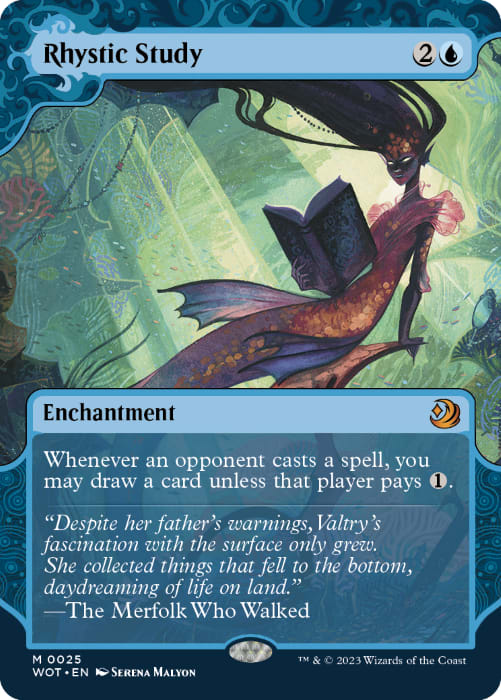
When you're playing at a game store or even within a steady playgroup, you're going to have bad games. Sometimes you'll miss land drops and never get going. Sometimes someone will misrepresent their deck, intentionally or not. And sometimes a player will start with a turn one Sol Ring into a turn two Rhystic Study and leap lightyears ahead of the table.
When that happens, the best thing to do is just let it go. Get another game in with the pod or find another table. It's not worth hanging onto the negativity of one bad experience when you could be enjoying the next game instead.
Wrapping Up
And there you have it. I may make more of these lists since I've definitely made my share of mistakes and learned lessons over the years, but the most important thing is to learn from them and take responsibility for your own experience. Until next time, happy gaming.