


 Locations



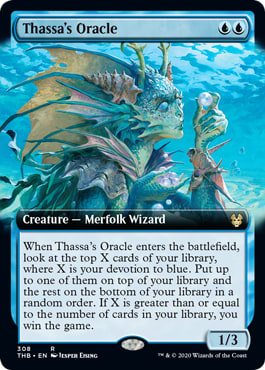
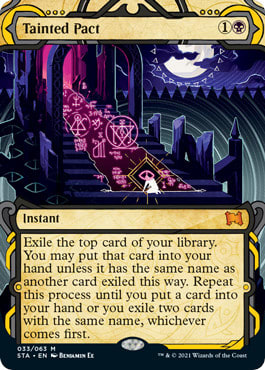
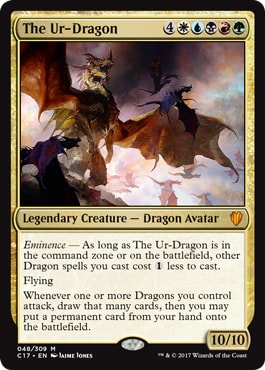
Commander is a beautiful format because you can realistically build anything you want. You can build a finely tuned combo deck that wins on turn four with cold precision, or a Dragon kindred deck that spends six turns doing absolutely nothing and then suddenly blows out the entire table with an army of sky-lizards. You can even build a deck where every card has glistening abs in its art.
 |
 |
 |
 |
Still, even in a format as vast and wonderful as Commander, most decks fall into a recognizable deck type. These types help us talk about what a deck is trying to do, how it plans to do it, and how likely it is to make your friends lament when you finally reveal your Commander.
So today, let's break down the major Commander deck types, what they're trying to do, and how they actually work.
Magic: The Gathering Decks: Types vs. Themes
Before we start throwing around words like Voltron, Stax, and Group Hug, let's separate two key ideas: deck types and theme.
A deck type is what your deck is trying to accomplish.A theme is how your deck plans to accomplish it.
One can think of a deck type as the destination and the theme as the vehicle.
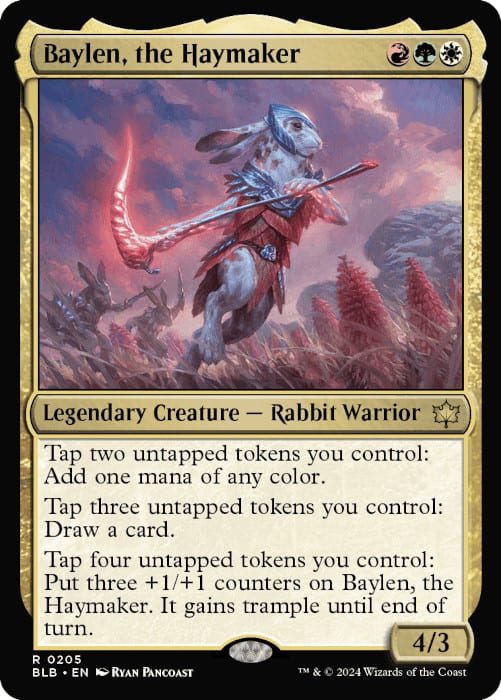
[Insert images of Ghalta, Primal Hunger | Baylen, the Haymaker | Purphoros, God of the Forge]
 |
 |
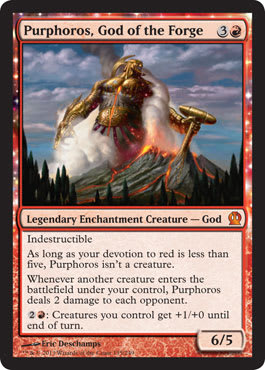 |
For example, an Aggro deck wants to reduce everyone's life total to zero as quickly as possible. That's the deck type. But it might strive to do just that with a giant Commander, a swarm of tokens, or just good ol' burn damage. Those are themes.
So, when you're trying to figure out what kind of Commander deck you're looking at, it usually comes down to two questions:
What is this deck trying to do?And how is it trying to get there?
The Main Commander Deck Types in MTG
Now that we've got deck types and themes sorted out, let's get into some of the prominent Commander deck types you'll likely run into at your next game night.
Aggro
 |
 |
 |
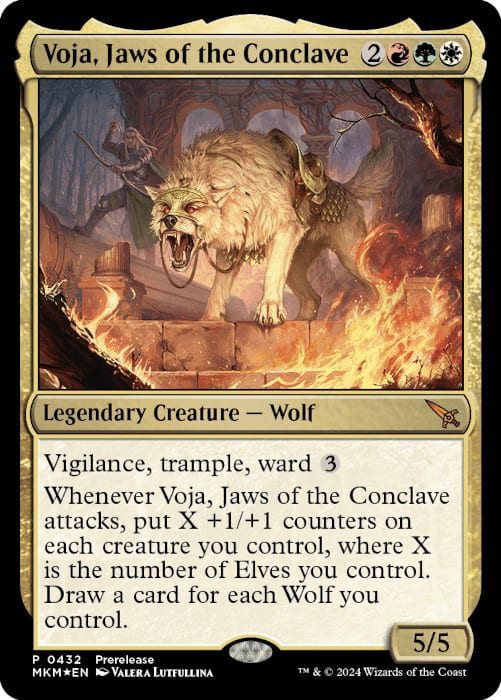
Aggro decks have one simple goal: attack people until they're out of the game.
In Commander, especially, this is often harder than it sounds. After all, unlike in 60-card formats where you are trying to deal 20 damage to just one opponent, in Commander, you have to deal with three opposing players, all starting at 40 life and all acting in their best interests.
And yet, Aggro decks seldom care. Aggro has places to be. Aggro goes face.
Midrange
 |
 |
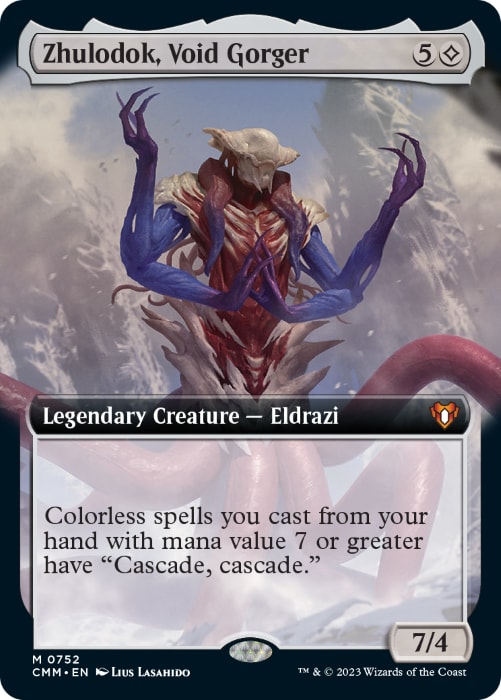 |
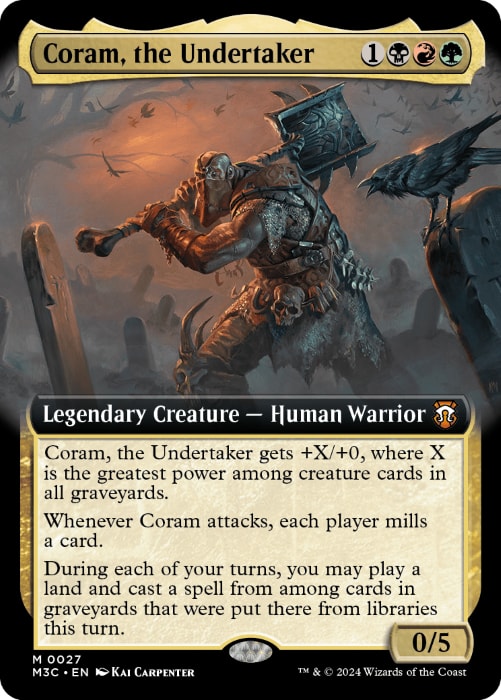
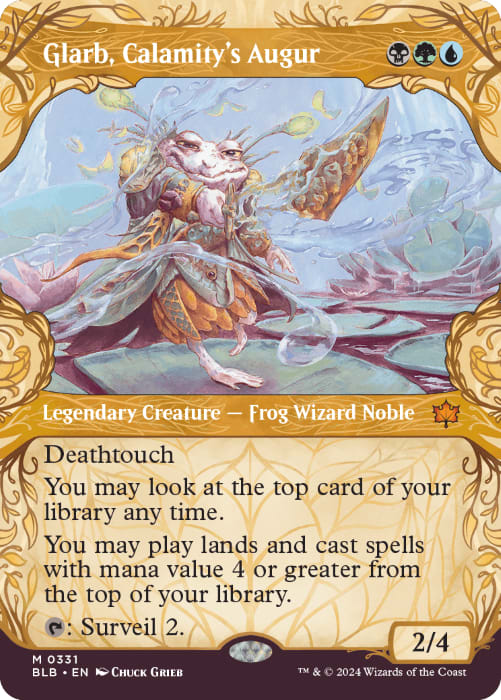
Midrange decks live somewhere between Aggro and Control. They are not trying to win as fast as possible, but they are not trying to answer every single thing the table does, either. Instead, Midrange wants to play strong, flexible cards, generate steady value, and eventually win by having better resources than everyone else.
Midrange is perfect for players who like flexible game plans, interactive Magic, and decks that can adapt to whatever the table is doing.
You may not always be the fastest deck, the flashiest deck, or the scariest deck by turn three. But if the game goes just long enough, Midrange is very good at becoming the deck everyone suddenly realizes they should have dealt with five turns ago.
Combo
 |  |

Combo decks are built around assembling specific cards that produce a game-winning interaction.
Combo is one of the most famous deck types in Magic because it can win out of seemingly nowhere. One moment, the Combo player has three Lands, a mana rock, and an empty grave. The next moment, they are saying, "So with the trigger on the stack..."
And now the game is over. GGs.
Control
 |
 |
 |
Control decks exist to say no.
Control wants the game to go long. It wants to survive the early game, dismantle key threats, and eventually win with some powerful engine or inevitable finisher. The longer the game goes on, the more chances Control has to take over.
The trick with playing Control is balance. Too few answers, and you get run over. Too many answers, and you become the person with seven interaction spells in hand and no actual way to win.
Please try not to be the latter to the best of your ability.
Chaos
 |
 |
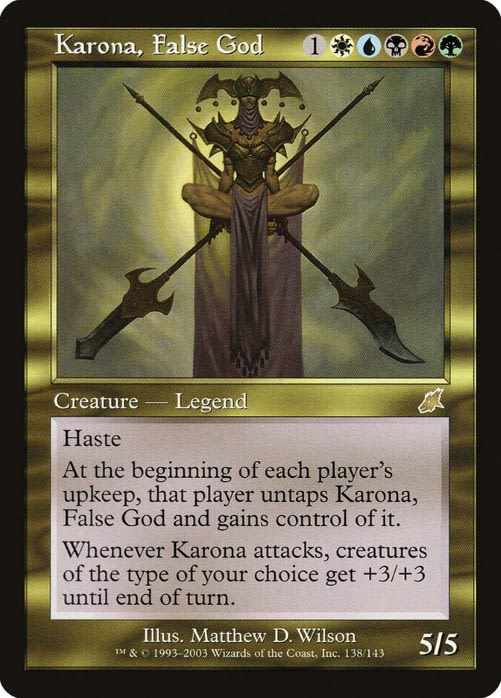 |
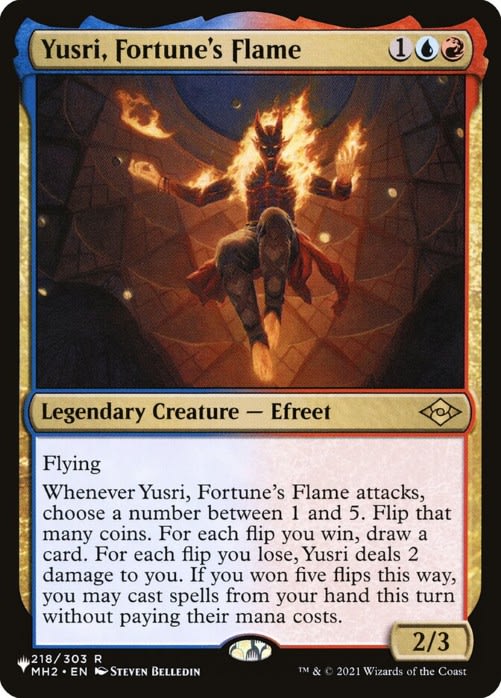
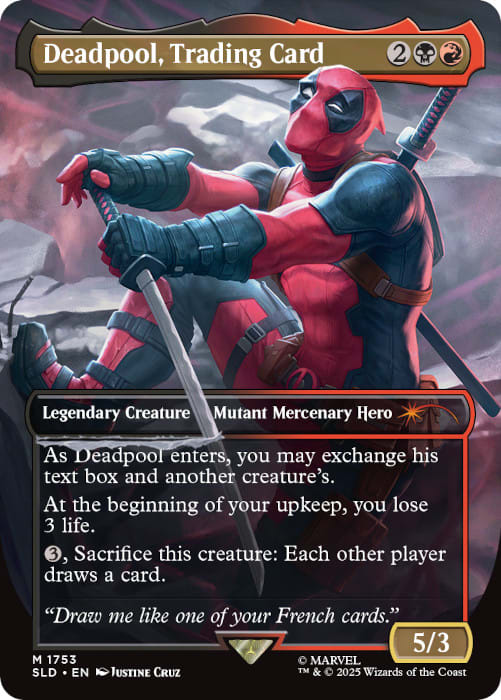
Chaos decks simply do not want a normal game of Magic, but rather, they want permanents switching sides, spells getting copied at random, attacks going in random directions, and everyone asking whose turn it is.
Chaos is often less about winning efficiently and more about creating stories. These decks thrive on unpredictable effects, random outcomes, and board states that always look like your cat decided it's time to take its hourly stroll across the table.
Group Hug
 |
 |
The classic deck plays symmetrical effects that help the entire table. The idea is to create wild, explosive games where everyone gets to do their thing.
Group Hug is perfect for players who enjoy politics, table talk, and making games unpredictable. It is less perfect for players who enjoy winning games for the sake of winning.
False Hug and Group Slug
 |
 |
 |
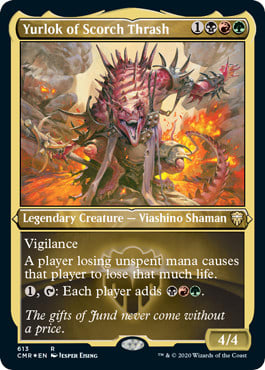
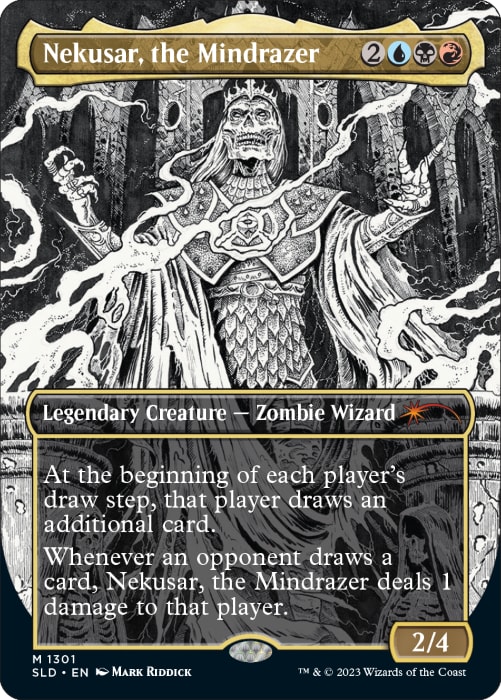
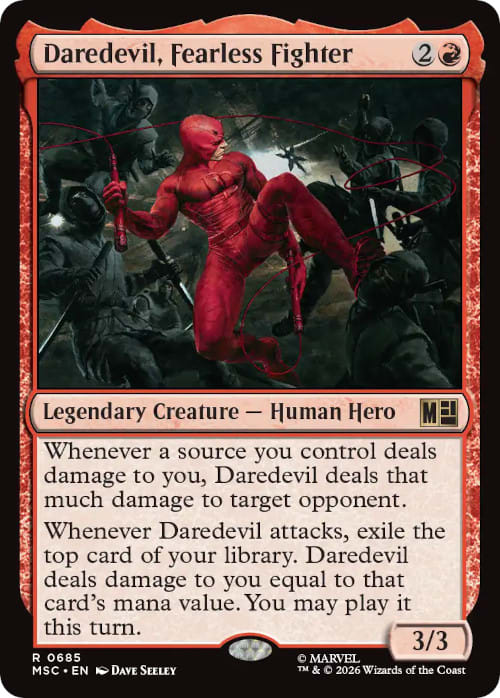
False Hug decks give opponents resources, but punish them for taking or using them. Sure, you can draw extra cards, but you might lose life for each one. And yes, of course, you can play more Lands, but something may shock you every time you do. Go ahead and storm off, but please understand you may be dead before all your spells resolve.
 |
 |
 |
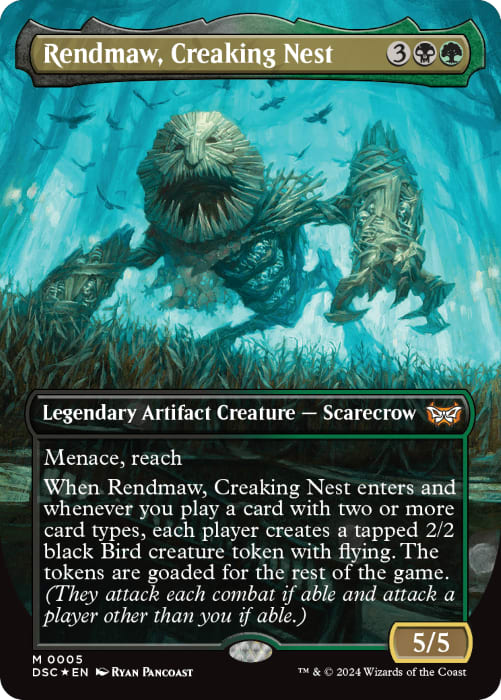
Group Slug, on the other hand, does not pretend to help whatsoever. It simply makes the game hurt. Everyone loses life. Everyone sacrifices Creatures. Everyone discards cards. The goal is not to stop opponents from playing the game, but to make sure everything they usually get to do now has consequences.
Stax and Prison
 |
 |
 |
Stax and Prison decks restrict what players can do by taxing spells, limiting untaps, shutting down specific game mechanics, restricting combat, or otherwise making the game feel like it is unplayable in one way or another.
These deck types are some of the most controversial Magic deck types because they attack the ability to play the game itself. And while some players love the puzzle of fighting through restrictions, many others would rather be hit by an actual folding chair than sit under Winter Orb for forty minutes.
The Most Popular Deck Themes in Commander
Now that we've covered the big deck types, let's talk themes. These are the engines, packages, and mechanical identities that shape how a deck actually plays.
Aristocrats

Aristocrats decks sacrifice their own Creatures for value, drain opponents, draw cards, make tokens, and generally turn death into value. If your board gets wiped and you say, "Great, let me put 20 death triggers on the stack," you might be an Aristocrats player.
Artifacts
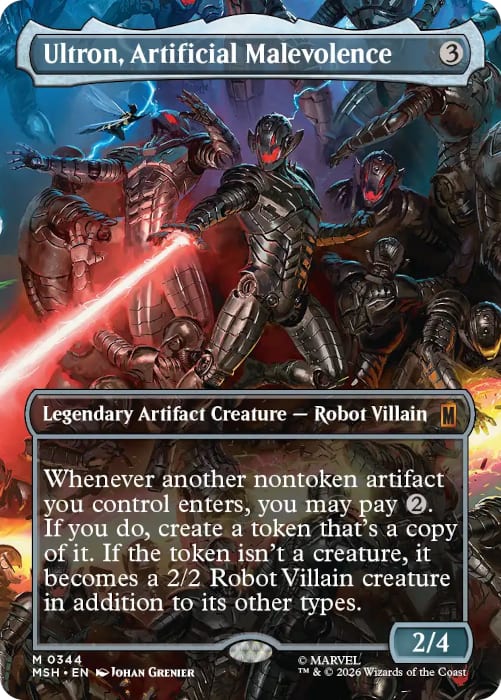
Artifact decks use mana rocks, Artifact Creatures, sacrifice loops, cost reducers, and Artifact payoff cards to generate explosive value. They are powerful, flexible, and typically always one Vandalblast away from scooping.
Blink/Flicker

Flicker decks exile and return their own permanents to reuse enter-the-battlefield (ETB) effects. After all, why cast Mulldrifter just once for two cards when you could get insurmountable value by blinking it nine times?
Burn and Life Drain

Burn decks deal direct damage, while Life Drain decks make opponents lose life while you gain it. Burn is great when you can stack enough damage quickly, but Life Drain often has the edge in Commander because every trigger can chip away at three opponents while keeping you safely out of the danger zone.
Counters Matter

Counters matter decks care about +1/+1 counters, -1/-1 counters, Loyalty counters, Charge counters, or even Shield Counters if you got them. They are great for players who enjoy growth, synergy, big combat steps, and always lugging around a bag full of dice.
Enchantress

Enchantress decks play lots of Enchantments and draw cards or create value whenever they do. They often include Auras, Pillow Fort pieces, Sagas, Constellation payoffs, and the quiet confidence of someone who thinks Farewell is not a real card.
Extra Combat/Extra Turns
Extra Combat decks allow you to keep attacking. Extra Turn decks allow you to play Magic all by yourself while everyone else watches. One is usually at least somewhat exciting. The other may exclude you from the playgroup moving forward. Play responsibly.
Infect

Infect decks try to win with Poison Counters. Forget about dealing 21 Commander Damage, let's just do 10 Infect damage and call it a day, right?
Lands Matter
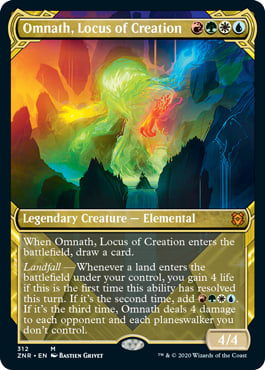
Lands Matter decks care about Landfall, extra Land drops, utility Lands, and ramp engines. They often look fairly innocent until they have more Lands than all their opponents combined and a Field of the Dead just waiting for a resolved Scapeshift.
Mill

Mill decks decks put opponents' cards into their graveyards. Remember, decking your opponents is still a valid win condition, and don't let anyone tell you otherwise.
Pillow Fort

Pillow Fort decks make attacking you annoying, mana-intensive, or outright impossible. You are not stopping the game; you are simply encouraging everyone to make better choices, like attacking literally anyone else.
Reanimator

Reanimator deck cheat Creatures from the graveyard onto the battlefield. They discard huge threats early, bring them back cheaply, and ask the table whether anyone has graveyard hate. The table usually does not. Then everyone learns something for next time.
Spellslinger/Storm

Spellslinger decks cast lots of Instants and Sorceries for value, using them to draw cards, remove threats, copy spells, make tokens, or slowly bury the table in triggers. Storm decks take this same idea and opt to compress it into one explosive turn, casting spell after spell until the accumulated payoffs become lethal. In other words, Spellslinger decks turn every spell into value while Storm decks turn every spell into a countdown. Take your pick.
Superfriends
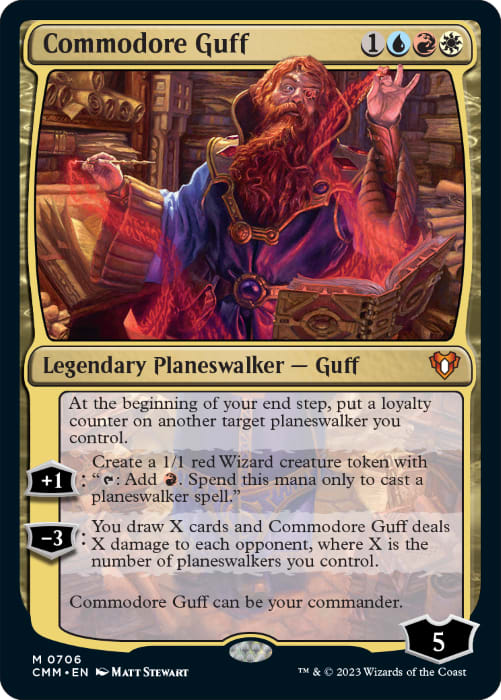
Superfriends decks are built around Planeswalkers. While these decks can be powerful and look aesthetically stunning on any board state, they will often require you to explain six different loyalty abilities every turn.
Tokens

Token decks make lots of Creature tokens, then use anthem effects, sacrifice outlets, Populate, or Overrun-style finishers to win the game. They are fun, explosive, and inherently vulnerable to anyone playing lots of board wipes in their decks.
Tribal and Kindred Decks
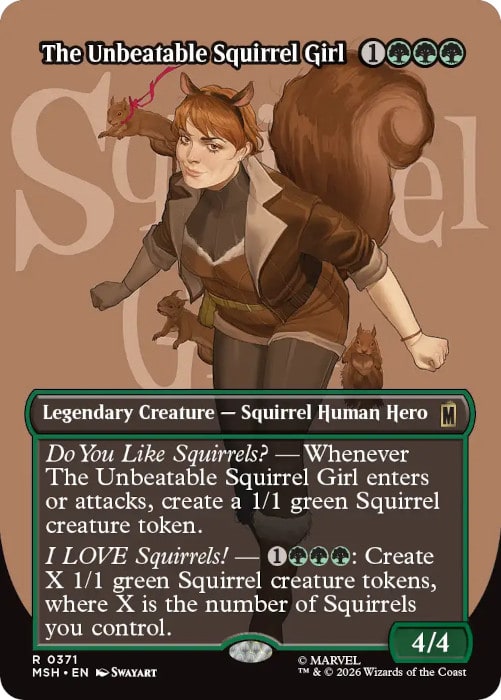
Kindred / Typal decks focus on a Creature type and their respective payoffs: Elves, Goblins, Zombies, Merfolk, Dragons, Vampires, Cats, Slivers, and so on. The appeal is obvious: pick your favorite Creature type, gather the squad, and commit to the bit.
Voltron
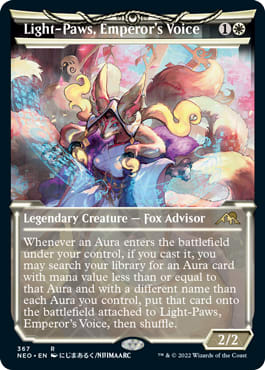
Voltron decks suit up one Creature, usually the commander, and try to win through combat damage. Equipments, Auras, and protection spells are all common themes in these types of decks. The plan is simple: build one enormous threat and make your opponents try to answer it.
Conclusion
At the end of the day, understanding Magic Commander deck types is not about memorizing every possible label or forcing your deck into one perfect little box. Commander is far too vast for that, and frankly, so are most Commander players.
Deck types are simply a way to understand what your deck is trying to do. Themes, meanwhile, are how your deck expresses that plan. Two players can sit down with the same deck type and end up playing completely different games.
So when you build your next Commander deck, start with the big question: what do you want the deck to do? Do you want fast and aggressive games? Slow and controlled games? Intense political games? Once you understand the experience you want, the rest of the deck should start to make a lot more sense.
Pick a deck type. Choose a theme. Add in the cards that make the plan work. Then add a few pet cards because this is Commander, and we are morally obligated to make at least a couple of questionable deckbuilding decisions to keep things fresh.
And, perhaps most importantly, always aim to build something you'll actually enjoy playing. The best Commander deck is not always the strongest one. It is the one that makes for good games, good stories, and at least one moment where the table's laughing gleefully before making you the Archenemy.
Because it is only then that you know you are playing Commander the way it was meant to be played.



