


 Locations



Crack a booster pack, catch a glimpse of that orange symbol, and without missing a beat, you start thinking to yourself: is this mythic rare powerful, valuable, kind of playable, or just straight-up bulk?
MTG's card rarities may feel deceptively simple at first, but we're sorry to say that rares & mythic rares do not always mean expensive and powerful, and commons do not always mean cheap and unplayable.
So before you start treating every mythic like treasure and every common like packing material, let's break down MTG rarities, what the colors mean, and why (or why not) rarity matters.
What is card rarity in Magic: the Gathering?
A card's rarity tells you how frequently that card appears in booster products compared with other cards from the same set. These days, the four main MTG rarities are:
| Rarity | Letter Code | Symbol Color |
|---|---|---|
| Common | C | Black |
| Uncommon | U | Silver |
| Rare | R | Gold |
| Mythic Rare | M | Orange / Bronze-Red |
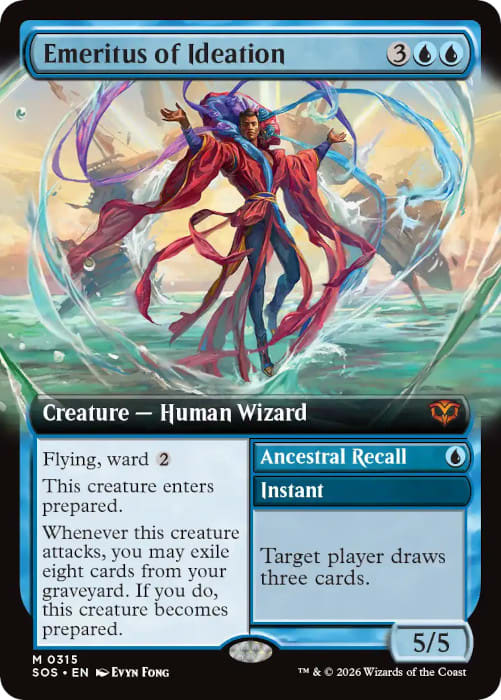
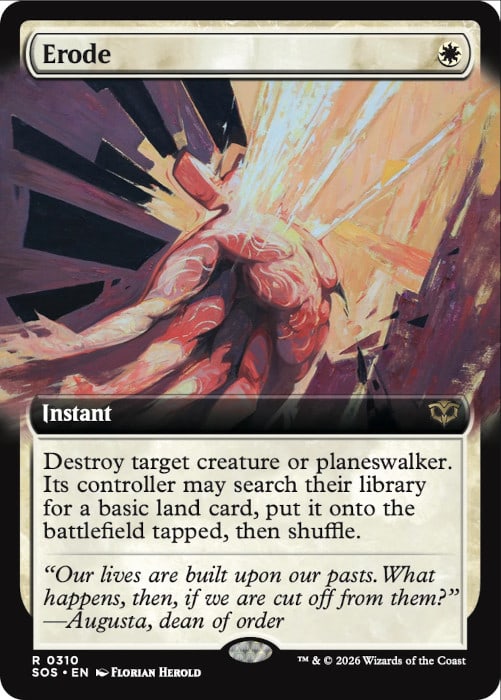
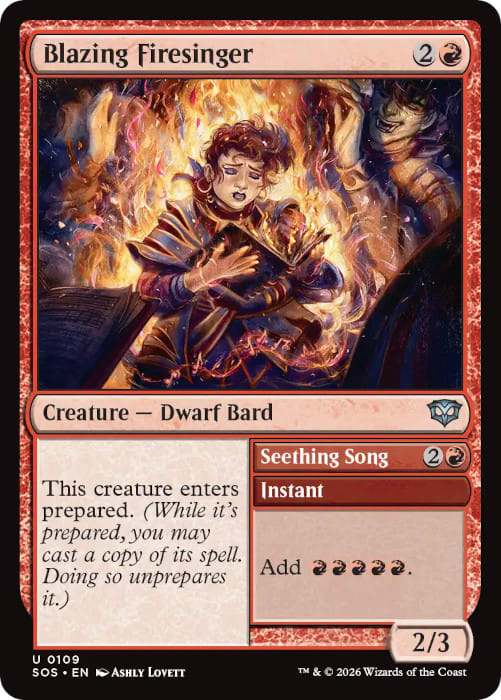
So, if you're ever confused, you'll find that the easiest way to identify card rarity is by looking at the expansion symbol on the right side of the type line, just below the art.
 |
 |
 |
The Collector Number left on MTG Cards
But in case it still wasn't all clear enough, cards today also usually include a collector number and rarity letter in the lower- information line. So if you see something like Emeritus of Ideation's M 0045, that final M letter means you've got yourself a mythic. If it says R, you've got a rare, etc.
 |
Oh, and before you get all smug and ask, "Well, what if the card doesn't have a set or a rarity symbol?"
MTG Rarity Colors Explained
Now, let's quickly go over what each MTG rarity color usually signifies for a card. The symbol color won't tell you everything about power level, price, or playability, but it will give you a useful snapshot of how often that card appears and what kind of role it's likely meant to play.
Black (Common)
A black symbol means common. These are the cards you'll see constantly in packs, draft pods, bulk boxes, and that one "bulk" storage bin every Magic player has. Commons tend to be simpler and more plentiful, but don't mistake that for useless.
They often form the backbone of Limited decks, provide basic removal and combat tricks, and occasionally become format staples that punch way above their perceived power level.
Silver (Uncommon)
A silver symbol means uncommon. These are often a step up in complexity, impact, or build-around potential. They're also often the glue of Limited formats and the cards you underestimate until one proceeds to overperform against you in three consecutive games.
Uncommon cards frequently point you toward a set's draft archetypes, reward specific strategies, or provide efficient effects that are just a bit too strong or complicated to show up at common.
Gold (Rare)
A gold symbol means rare. These are usually splashier, stronger, more efficient, and/or more unique. Rares are where you start seeing more powerful build-arounds, board wipes, pushed creatures, unusual enchantments, premium lands, and cards with effects that would be miserable if they appeared too often in Limited.
They're the cards people usually slow-roll to the back of the pack, hoping for something that either wins games, upgrades a deck, or at least pays for your $6.00 hotdog at most sanctioned events.
Orange/Bronze-Red (Mythic Rare)
An orange or bronze-red symbol means mythic rare. These are the big, dramatic cards: Planeswalkers, Legendary Creatures, massive mana-intensive spells, and chase cards that are playable across multiple formats. Mythic rares are designed to feel special, whether that means a story-important character, a game-changing threat, or a card so powerful that it may just end the game outright if left unanswered.
However, these four rarities weren't always there to help players understand just how rare the piece of cardboard in their hand truly was.
After all, anything printed before Exodus used a black expansion symbol regardless of rarity, so the symbol color won't help you tell what rarity a card is. Not to mention, if you're looking at an older core set card from before Sixth Edition, there may not even be an expansion symbol at all.
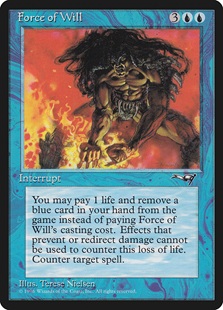 | 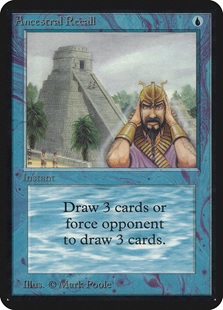 |
So, before you start rummaging through some old cards and think to yourself, "Ah, yes, this old card has a black symbol, surely it must be a common, and I can slot it right into my Pauper deck."
No. Stop. Put down the Lion's Eye Diamond.

How Booster Rarity Distribution Works
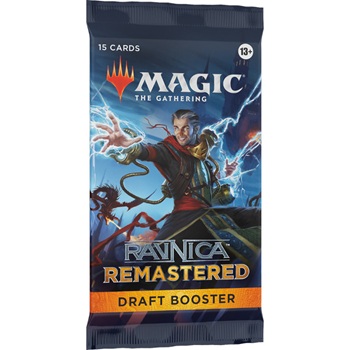
For years, the classic Draft Booster model was pretty easy to understand; you open a pack, got a pile of commons, a few uncommons, and one slot that contained either a rare or, if luck would have it, a mythic rare. Simple and elegant.
Traditionally, this rarity distribution structure meant most packs had a fairly linear rarity curve; Commons made up the bulk of the pack, uncommons gave you a few stronger or more focused options, and the rare slot was where the rest of the pack was leading up to.
Sometimes that rare slot would even be replaced by a mythic rare, which is why seeing an orange symbol from the corner of your eye always gave you a quick hit of dopamine.
 |
 |
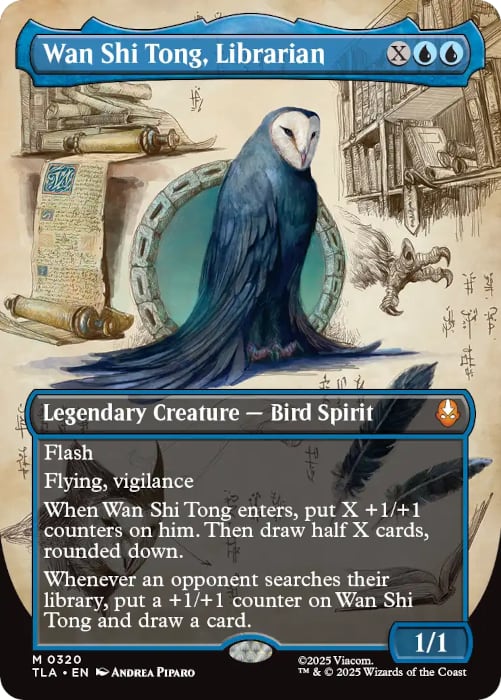
Even if the mythic itself was predetermined to be bulk, your brain still got to enjoy that half a second of "Oh boy, this just might be the Wan Shi Tong, Librarian I so desperately need," before finally peeling the Secret of Bloodbending.
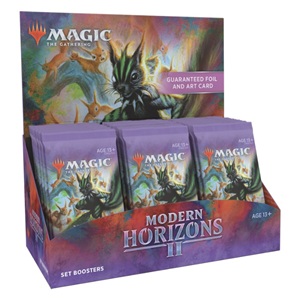 | 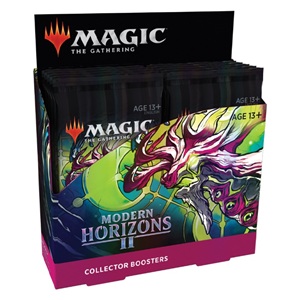 |
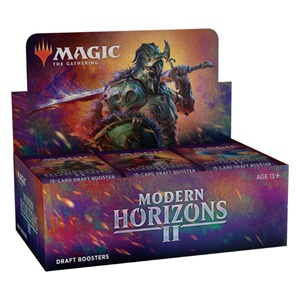
But Magic products have since evolved quite a bit. For a while, players had Draft Boosters for Limited play, Set Boosters for the pack-opening experience, and Collector Boosters for anyone who wasn't satisfied with opening a foil only once in a while.
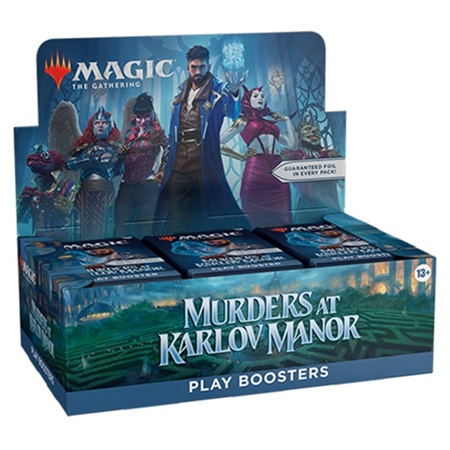
With the release of Murders at Karlov Manor, however, premier sets shifted to Play Boosters, which were designed to combine the draftable structure of Draft Boosters with some of the extra excitement players liked from Set Boosters.
This change to the MTG rarity structure matters because Play Boosters are not quite as straightforward as the old "one rare or mythic per pack" model.
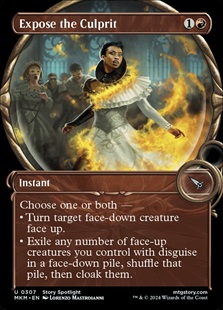 | 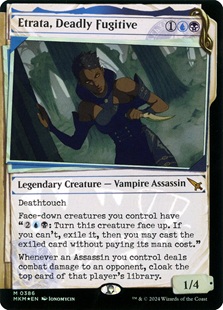 | 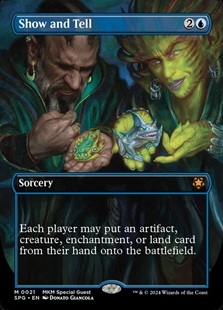 |
A Play Booster is guaranteed to contain at least one rare or mythic rare, but it can contain more. Wildcard slots, foil slots, bonus-sheet cards, showcase treatments, Special Guests, or other set-specific slots can push that number higher, depending on the type of pack being opened.
In some cases, you can open two, three, or even four rares and/or mythic rares in a single pack.
Special MTG Rarities
Admittedly, most of the time, you'll be dealing with common, uncommon, rare, and mythic rare, and life will be nice and orderly. But every now and then, you'll look for the collector info at the bottom of a card, see a letter that is absolutely not C, U, R, or M, and wonder what the heck is going on.
Don't panic; Magic has a few special card classifications that look like rarities, act kind of like rarities, and exist mostly to remind us that this game has been around long enough to deviate from the norm every once in a Blood Moon:
Basic Land (L)

Mark Rosewater himself has described Basic Lands as effectively more common than common from a production standpoint. And honestly, that tracks. After all, Magic needs Lands. Without Lands, nobody casts spells, nobody curves out, and the entire game becomes two players muttering about variance for much longer than they should.
Tokens (T)
 |
Tokens are not normal deck cards, but they are extremely useful. Sure, you can represent a 1/1 Soldier with a die, a coin, or a Hot Cheeto if it's a Red Soldier, but actual tokens just make the game cleaner.
Promos (P)
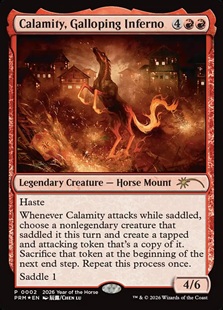 |
Promotional cards - like the aforementioned Lightning Bolt from MagicFest - can come from events, prereleases, special products, store promos, conventions, Secret Lair drops, and various other places where Wizards know we players are willing to pay top dollar for them.
Helper Cards (H)
 |
Helper cards are cards designed to help players manage the game. They can explain mechanics, track game objects, or act as reminders for set-specific rules. Helper cards are especially useful at Limited events, prereleases, or casual tables where someone asks, "Wait, what does this emblem/token/dungeon do again?" for the sixth time during a game.
Front Cards (F)
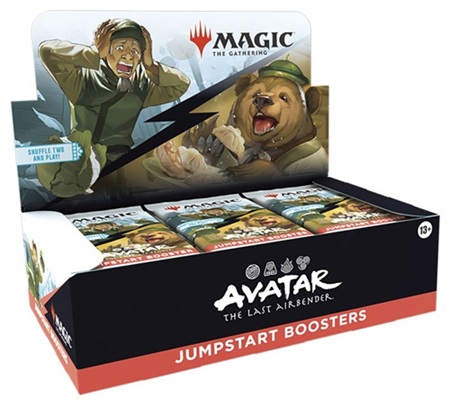
Jumpstart products may include front cards that identify the theme of a packet. These use F and exist to tell you what kind of half-deck you're working with before you shuffle two packets together and call it a deck.
FAQ: Magic: the Gathering Rarity
How do you check if a card is rare?
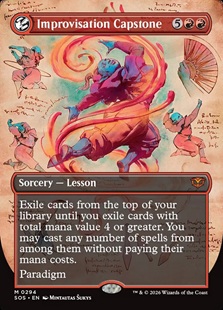 |
The fastest way is to look at the expansion symbol on the right side of the type line. You can also check the lower-left corner of more recent cards, where the collector info has a rarity letter.
Does rarity affect power?
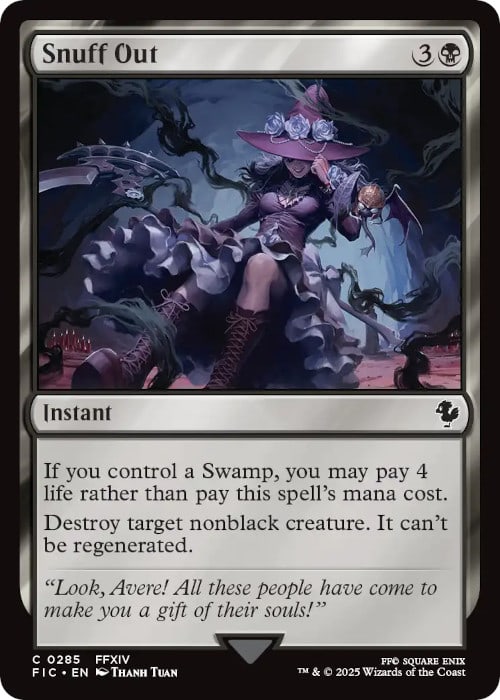
Usually, but not always. Higher-rarity cards tend to be splashier, more complex, or more powerful because Wizards uses rarity to help manage Limited formats and card complexity. That said, plenty of commons and uncommons are stronger than rares in the right deck.
Does MTG rarity affect value?
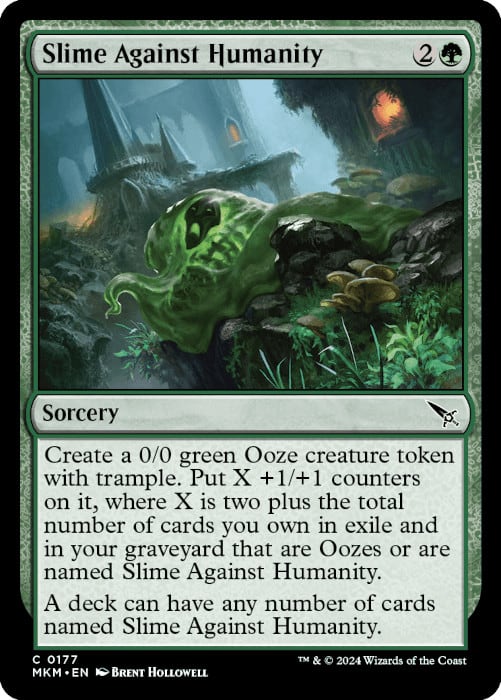
Yes, but also no. Rarity affects supply, but value is also driven by demand, format legality, condition, edition, foiling, special treatments, and collector appeal.
A rare nobody plays can be bulk, while a common that sees play in Commander, Pauper, Legacy, or Modern can be worth more than a handful of rares.
Are 1993 Magic cards worth anything?
Some are worth a lot, yes, but not all of them. 1993 includes Magic's earliest printings, such as Alpha, Beta, Unlimited, and so on, and some of those cards can be extremely valuable depending on the card, condition, edition, and whether it is tournament legal.
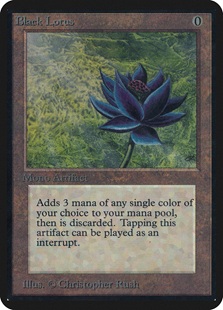 |
For example, graded Alpha Black Lotus copies have sold for tens or even hundreds of thousands of dollars, with price guide values in the same range.
How can you tell if MTG cards are valuable?
Start by identifying the exact card printing. Check the card name, set symbol, set code, collector number, foil status, language, condition, and whether it has any special treatment. Then compare it against current marketplace prices from sites like coolstuffinc.com.
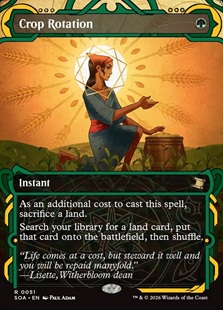 | 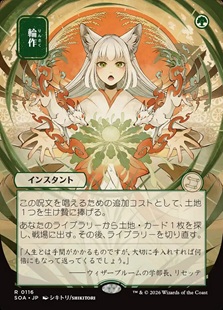 |
And voila, just like that, you'll have a much better idea of whether you're holding a hidden gem, a trade fodder, or yet another card destined for the bulk bin.
Are MTG cards worth collecting?
 |
We'd certainly say so, even more so if you enjoy the game, the art, the history, or the thrill of owning specific cards. Magic has a large secondary market, and some cards have held or gained significant value over time.
Nonetheless, we are of the firm opinion that collecting MTG cards should never be treated as guaranteed investing. After all, reprints, bans, metagame shifts, condition issues, and product releases can all change prices drastically at the blink of an eye.
How rare are mythic rarity cards in MTG?
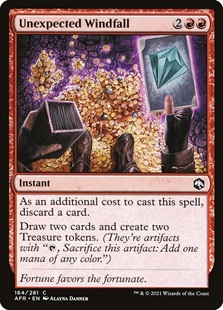 |
In the main rare slot of modern Play Boosters, Wizards themselves have confirmed that the slot is rare six out of seven times and mythic rare one out of seven times.
Play Boosters can also include other slots that may contain rares or mythics, which is why modern packs can sometimes produce multiple rare or mythic cards.
Conclusion
Most of the time, card rarity is pretty straightforward. Black means common, silver means uncommon, gold means rare, and orange/bronze-red means mythic rare. Once you've got that down, you can just take a quick glance at most Magic cards today and immediately get a decent idea of what you're looking at.
Of course, we're placing a lot of emphasis on "most of the time" here.
Once you inevitably start exploring formats outside of just Standard or Modern and dig through older cards, promos, bonus sheets, serialized cards, alternate treatments, and whatever stunning nonsense Wizards decided to put in Collector Boosters this time around, rarities will start looking a bit messier. And that's okay.
Because if there's one thing I want you to take away from all this, it's that rarity is not the end-all, be-all of evaluating Magic cards. Sure, rarities tell you how often a card was meant to show up in a booster, and it can even give you a hint about how complex, flashy, or powerful that card might be. But what it doesn't do is tell you whether the card is good, valuable, or worth building around.
Some mythics are going to be bulk while some commons are going to be format staples. That's just how Magic goes.
Card rarity is just one small part of what makes cracking packs so exciting and fun.
To this day, the best part is cracking open a new card for the first time, reading it once, reading it again, and then slowly realizing all the crazy decks you could build with that Mythic rare.