 Locations


Magic: The Gathering is a very complicated game. Onboarding players has always been one of the trickiest parts of this hobby since the very beginning. Arena takes care of a lot of the rules nuance for you nowadays, but what about the decks it gives you from the get-go? I ranked all ten of them from worst to best.
Quick note: I did consider upgrade paths, but the final ranking is based on how these decks play "out of the box."
Ranking the MTG Arena Starter Decks
10. Graveyard Gifts
 |  |  |
It pains me to say this as a long-time Dimir (
 ) enjoyer, but this deck is an absolute mess. It's sort of a Reanimator deck, but only has two expensive creatures to get back with Zombify. It's sort of a "mass Reanimate" value deck, but with just one copy of Rise of the Dark Realms. It's also sort of a control deck but with awful Removal and Card Draw.
It's trying to do about three different things, and does none of them well. What is Gleaming Barrier doing here!?
I'm not even sure what you can do to improve this deck beyond replacing almost every card. That's not very useful advice for a starting player, I know. Just don't play this deck, and certainly don't try to improve it. Take your Kiora, the Rising Tide and move on.
9. Cat Attack
 |  |  |
At the risk of offending the entire internet, there's nothing cute about these cats. Ironically, this deck possibly has the most straightforward and well-realised plan. It asks you to make lots of cats and attack with them. Unfortunately, the execution is awful. There simply aren't enough powerful cats to make a viable deck. One Arahbo, the First Fang is not enough to make this deck work.
Upgrading this is tricky. If you really want to play cats, I'd start with more copies of Arahbo and more Anthem of Champions. Gloryheath Lynx is a decent budget option and Prideful Parent is a shocking omission from the original deck. Lean into the go-wide, token deck, remove the pointless auras.
8. Arcane Aerialists
 |  |  |
This is another rough one, with absolutely bizarre inclusions. On the surface, it's a kind of Flying Tribal deck. Three Empyrean Eagle is a solid inclusion, so you have an obvious upgrade path. Indeed, most of the cards are on-message, but there is still some confused identity. Healer's Hawk and Curator of Destinies do not belong in the same deck. Fog Bank belongs in no serious decks, but it's especially out-of-place here.
There are clear paths to make this into something better. Ditch most of the expensive stuff, upgrade the mana base and grab some Seam Rips. The Angel tribal stuff is not something that you can build around in Standard, so that should probably go, too. Replace them with something like Aang, Swift Savior or Momo, Friendly Flier. If you're tight on wildcards, try Il Mheg Pixie and Spyglass Siren.
7. Learn From The Land
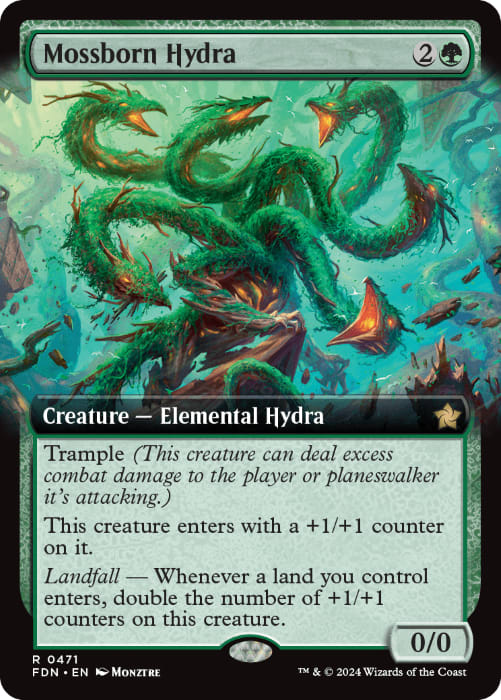 |  |  |
A lot of my research for this article felt like playing Jump-In. I never drew any of the rares when playing this deck, so I lost every single game. The only reason this isn't dead last is because I think it has some of these rares are actually good. Mossborn Hydra is a bona fide Standard staple and Primeval Bounty and Rampaging Baloths can take over a game if they actually get into play.
It's the cards surrounding these rares that hold the deck back. Almost all of them are just, like, there. Spectral Sailor is a fine card, but the "draw two" sub-theme of this deck is extremely undercooked. Upgrading this deck, I'd get rid of all of that and start building to something like the tier-one Badgermole Cub decks. Those are very wildcard intensive, but Sazh's Chocobo is an uncommon so maybe start there if you like ramping out lands and triggering Landfall.
6. Vampiric Hunger
 |  |  |
This is a slightly misleading name. There are a handful of Vampires, sure, but this is really just a Lifegain deck that doesn't really work.
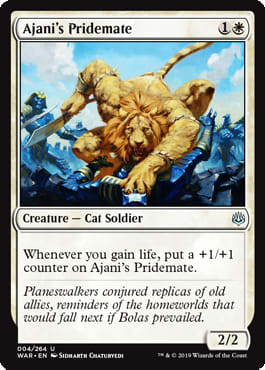
Still, this deck does have cards that mostly make sense if you ignore the name. It's underpowered, by design, but it's a theme you can build toward and have success. Start with a fourth Ajani's Pridemate and more copies of Hinterland Sanctifier. This is one of the better places to start, because it can easily turn into a Raise the Past deck. That deck can work with plenty of lower rarity cards, like Umbral Collar Zealot and Snarling Gorehound.
5. Might of the Legion
 |  |  |
So close! Every game I played with this deck, it actually got close to winning, but never made it. This deck needs more burn. Get yourself at least a couple more Burst Lightnings. It also needs a better mana base. That is an issue with all of these decks in general, but in aggressive decks, having your lands come into play tapped is crushing. Playing your two-drops on turn three, especially when they're as weak as Axgard Cavalry, is often game over.
Obviously, there are some strange cards to get rid of, too. Serra Angel is both underpowered and too slow and Axgard Cavalry is maybe the worst card in any of these decks. Still, beating down often doesn't need rares and mythics. Look at cards like Greasewrench Goblin and Lightning Helix as easy upgrades.
4. Wondrous Wizardry
 |  |  |
Now we're getting into the decks I actually won games with. Yeah, everything above here managed zero wins combined. It probably helps that this is a type of deck I much prefer playing. With Wondrous Wizardry, you're going to be tossing cheap spells all over the place triggering Prowess and playing cheap Tolarian Terrors.
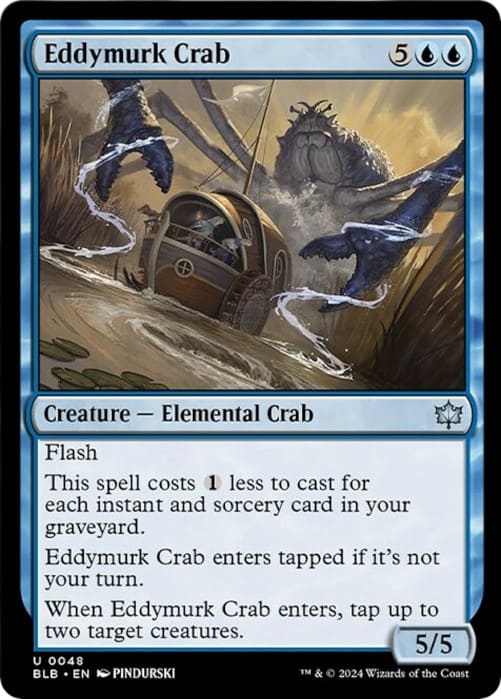
The Rares here are a mixed bunch, but you don't really need them. This deck wants to be winning relatively quickly, so Ovika, Enigma Goliath is an easy cut. I'd suggest going more aggressive, with Drake Hatcher if you can afford them and Eddymurk Crab either way. Izzet Prowess ( ) is one of the best decks in Standard right now, so you have a great end goal if you like this deck.
3. Path of Power
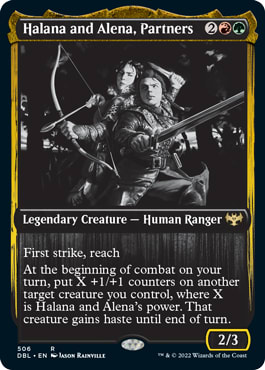 |  |
Look, I don't think this deck is good, but I did have a 50/50 win ratio with it. It shares many of the same problems with previous decks on the list. The mana is dismal, many of the cards are mopey and it's trying to to do too many different things. Sometimes, though, you cast a Halana and Alena, Partners on turn three, and your opponent doesn't have removal.
Really though, this is an aggressively-slanted midrange deck that wants to be attacking. Skyraker Giant is an easy swap-out, as is Mild-Mannered Librarian. Halana and Alena is the best card in the deck, but while you're building up rare wildcards, you can make-do with Giant Cindermaw and some more burn spells.
2. Reckless Raid
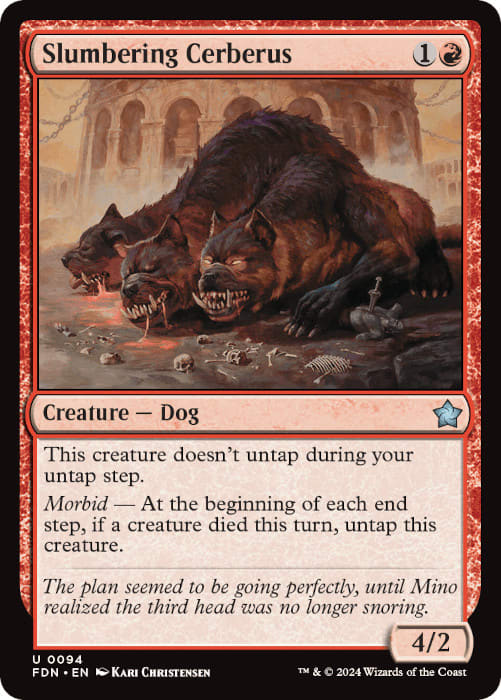 |  |
This deck surprised me. I assumed it would be another mess of half-baked themes in an aggressive shell. And, yeah, parts of it are. Slumbering Cerberus and Goblin Boarders are awful. The Raid theme actually plays out well, though. This deck has one of the more coherent plans, and what it lacks in objective power, it somewhat makes up for in synergy.
The problem here, is that this deck doesn't build into a "real deck." None of the rares are really played in Standard. This was one of the better decks to play out of the box, but in terms of upgrading, it's another "strip for parts" scenario.
1. Morbid Machinations
 | 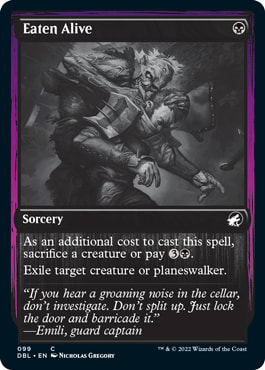 |
This is billed as a graveyard deck, but it's really not. It's a Golgari ( ) Midrange deck. There are cards that come back from the graveyard, but there's few ways to put things there and no real pay-offs for doing so. It just has Reassembling Skeleton as an extremely low-ball pay-off for casting Eaten Alive. That card is horrible in this deck, by the way, so there's your first upgrade - literally any other removal spell.
This is a reasonable approximation of a Golgari midrange deck in a purely philosophical sense. It shares basically no specific cards with good decks, but the concept of playing solid creatures and killing everything your opponent plays is timeless. Unfortunately, these decks are often quite rare-intensive. This might be the best deck as-is, but it's probably the hardest to upgrade.
Conclusion
I've got to be honest. I had a miserable time playing all of these decks. Even when I won, it was often because of misplays or bad draws from my opponents. That said, I was playing at Platinum MMR, which is not really a fair test.
Lower down the ladder, you will have better luck with the better decks on this list. This will be especially true once you upgrade the mana bases. Being able to play cards in a timely manner is like playing up a whole new game. If you only take one thing away from this article, it's that you should spend wild cards on rare lands.