


 Locations



Magic: the Gathering has always been a game of hidden information, careful misdirection, and questionable shortcuts, which means every match has always relied on one sacred agreement: both players are actually playing fair.

Most players play fair. Some, unfortunately, do not. There is going to be dishonesty some time throughout your Magic career, especially if it's a long one.
And while I'm not to tell you to become the Batman of your local game store, I'm going to explain how cheating in MTG happens, what it looks like, and when to call a judge before a missed trigger turns into "my opponent drew three extra cards and convinced me it was my fault."
What counts as cheating in MTG?
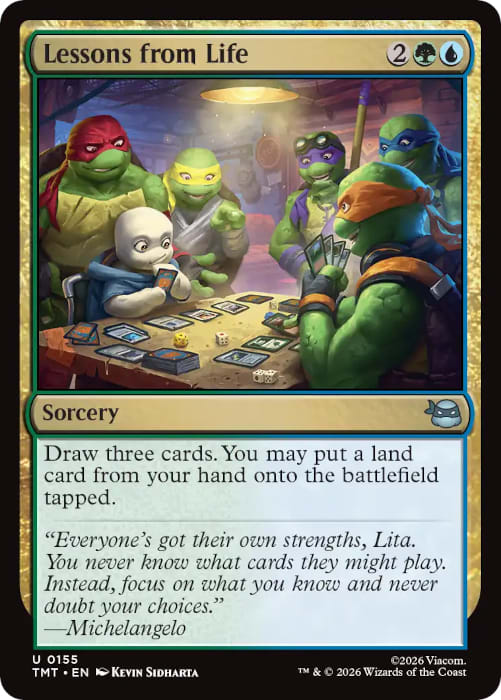
Simply put, cheating in MTG is intentionally breaking the rules to gain an advantage. And I'd say intent matters here more than anything.
I'll be the first to admit that Magic can be a complicated game. Sometimes people miss triggers. Sometimes, they draw the wrong number of cards by complete accident. Heck, there will even be times when they accidentally sideboard in one too few cards, automatically making their deck straight-up illegal.
Now, would such scenarios make those players despicable cheaters that should have bounties placed on them immediately? Of course not. Mistakes happen to everyone.
Honest mistakes are not the same as cheating.
Cheating in MTG requires intent: the player knows what they are doing is wrong, does it anyway, and does so to gain an advantage.
And this could be done in tons of ways: manipulating a deck, marking cards, lying about the game state, intentionally stalling, abusing in-game shortcuts, adding outside cards to a Limited pool, and the list goes on.
With that said, though, your job as a player isn't to stare into your opponent's soul and determine whether they are secretly a cheater. Your job is and always will be to protect the game state, ask clear questions, and call a judge whenever anything feels off.
Remember, judges will always be there to sort out mistakes, intent, penalties, and fixes, so you won't ever have to. Calling one doesn't make you a tattletale; it makes you a smart player protecting the integrity of your match.
Why Cheating Can Be Hard to Spot
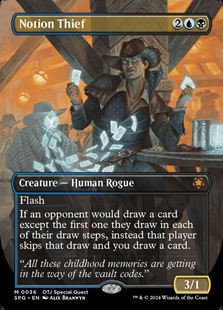 |
Magic, by its nature, is a game of hidden information. You never know your opponent's next draw, their sideboard plan, or whether they're piloting Mono-Red or not when they play a turn one Mountain.
But beyond that, Magic is also a game where players use verbal shortcuts constantly:
"Go." -> "Combat?" -> "Trigger?" -> "Blocks?" -> "Take it." -> "End step?" -> "Sure."
Admittedly, the slang and tiny phrases often keep the game moving at a reasonable pace, but they also have the potential to create gray areas. For example:
- One player says, "Combat?" and the other says, "Sure," but one means 'move to the beginning of combat' while the other thinks attackers are already being declared.
- One player attempts to cast a Giant Growth on their blocker, and the attacking player suddenly announces, "I haven't passed priority, but I guess I'll just Go For The Throat your Giant Growth target now."
- One player taps mana, pauses, and looks expectantly at their opponent, who nods, not realizing they may have just allowed a spell to resolve.
- One player says, "Go," then tries to make an end-step play after their opponent has already untapped.
- One player vaguely announces, "Trigger," while the other has no idea which trigger, target, or effect is actually being referenced.
Now, most of the time, these are normal communication issues and nothing that can't be resolved in a peaceful manner. But remember that a cheater will try to weaponize ambiguity at every opportunity.
As such, clarity will always be one of the best anti-cheating tools at your disposal. You don't need to narrate every action like you're at a formal interview, but you should always try to be as clear as possible about phases, priority, targets, triggers, and whatever game actions you're performing at any given time.
The fewer gray areas you leave behind, the harder it becomes for a dishonest player to turn "I thought that's what you meant" into a competitive advantage.
Common MTG Cheating Methods to Watch For
Now that we've established that cheating in MTG usually hides somewhere between hidden information and sloppy communication, let's get into some of the most common red flags to keep an eye out for.
Lying About Public Information

Luckily, some information in Magic is always public knowledge. Life totals, cards in graveyards, exiled cards, revealed cards, counters, floating mana, and permanents on the battlefield are all things players should be able to verify whenever they please.
As such, lying about public information is a major no-no.
What You'll Notice
- Life total discrepancies that always seem to favor one player
- Dice being changed or knocked around carelessly
- Exiled cards stacked face down when they should be known
- Tokens and counters represented unclearly
- Opponents discouraging you from reading cards
What to Do
- Track life totals on paper or a reliable app. Paper is especially useful because it creates a turn-by-turn history, while dice can roll and shift. Even phone screens can get bumped by an enthusiastic elbow.
- Confirm life totals after major changes. After combat damage, life gain, fetch Lands, shock Lands, or big drain effects, say something like, "I have you at 12, is that right?"
- Clarify counters, tokens, and floating mana. If a Creature has three +1/+1 counters, make sure it is obvious. If mana is left floating, confirm how much and what colors.
- Ask to read cards when needed. You are allowed to understand what cards do. Anyone discouraging you from reading a card is, at minimum, acting weird.
- Call a judge before disagreements snowball. Life total arguments are much easier to fix before someone attacks for lethal with "actually, I was at three more than that."
Outside Assistance and Scouting
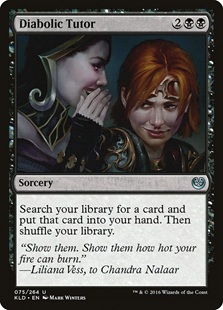 |
Outside assistance is any illegal help from another person, note, device, or any other source during a match.
At casual Commander nights, someone telling your opponent, "don't forget your Rhystic Study trigger," is cumbersome, sure, but often well within the norm of typical table culture.
At competitive tournament settings, however, outside assistance can be a serious issue.
What You'll Notice
- Spectators hovering and reacting to hidden information
- Friends whispering near the match
- Opponents checking phones or notes at improper times
- Players leaving the table and returning with oddly specific insight
- Teammates or friends giving signals
What to Do
- Politely ask spectators to step back. If someone is hovering too close, reacting to private information about someone's hand, or making the match uncomfortable, it's okay to ask them to give the table more space.
- Avoid confronting spectators harshly. A simple "please don't comment on the match" is fine, but do not do anything to create hostility. Judges can handle spectators, investigate concerns, and preserve the match environment.
- Keep phones, notes, and sideboard guides in check. If your opponent is checking something at a time when they should not be, call a judge rather than trying to debate tournament policy yourself.
- Say nothing If you are spectating. Do not help. Do not gasp. Do not point. Stand there quietly like a responsible fellow MTG enjoyer. Leave the table if you can't hold it in.
- Call a judge if you feel uncomfortable. You do not need to prove that someone is giving outside assistance before calling a judge. If something feels off, pause the match and get help.
Illegal Deck Changes in Limited

In Draft and Sealed, your card pool really matters. In these formats, it's never allowed to just casually add cards from an outside resource like your backpack, trade binder, or even the mysterious "lucky sleeve" compartment of your deck box.
At larger events, card pools may even be registered or stamped. You can be sure this protocol exists for a reason. It's uncommon for someone to try and swap or sneak in cards but it isn't completely unheard of.
What You'll Notice
- Cards that look visually different from the rest of a Limited pool
- Odd sleeve changes between games
- Your opponent producing suspiciously perfect sideboard cards
- Unregistered cards appearing in deck checks
- Players handling trade binders or deck boxes during the event
What to Do
- Keep your pool organized. Keep your Draft or Sealed cards together and completely separate from the rest of the cardboard hoard you may have brought to the event.
- Follow deck registration rules carefully. If the event uses decklists, stamps, or registered pools, double check your list and make sure every card you play is supposed to be there.
- Watch for odd sleeve changes. If your opponent's sleeves suddenly change between games, or a few cards look noticeably different from the rest of their deck, it is worth paying attention.
- Do not leave your cards unattended. Limited pools can be messy, crowded, and easy to mix up. Keep your cards in your sight so nobody can accidentally, or "accidentally" move things around.
- Call a judge if a deck just seems wrong. If you suspect an illegal deck change, do not accuse your opponent directly. Let the judge compare decklists, card pools, stamps, sleeves, and event records.
Communication and Shortcuts

Because Magic relies heavily on communication, some players may try to exploit vague shortcuts. They may imply they passed priority, then deny it. They may rush through phases. They may even bait an opponent into revealing information, then rewind verbally.
Was it a misunderstanding? Maybe.
Was it intentional? Also maybe.
Either way, ambiguity can create problems and there are some players whose dishonesty thrives in that gray area.
What You'll Notice
- They frequently dispute what was said
- They allow you to act, then claim you moved too fast
- They ask leading questions about your plays
- They fish for reactions before committing to actions
- They rely on "I didn't say that" after implying it
What to Do
- Confirm phase changes. Simple questions like "Move to combat?" / "Declare attackers?" / "End step?" / "Are you passing the turn?" can prevent a lot of miscommunication before it starts.
- Clarify priority before acting. If you are not sure whether your opponent has passed priority, ask. "Do I have priority?" is much better than accidentally walking into a "Wait, I wasn't done yet" scenario.
- Announce your targets and triggers clearly. Do not just announce "Trigger" and hold your breath. Name the trigger, name the target, and make sure all players know exactly what is happening.
- Pause when something feels ambiguous. If your opponent's shortcut or statement is unclear, stop the game before acting further. The longer the sequence continues, the messier it gets.
- Call a judge if communication breaks down. Do not let the match become a memory contest. A judge can help clarify the game state and keep things moving fairly.
Stalling the Game

Stalling is intentionally playing slowly to take advantage of the match clock.
I do want to quickly point out that stalling is intrinsically different from slow play. Slow play can sometimes be unintentional.
Stalling, however, is almost always deliberate.
What You'll Notice
- A sudden change in pace after winning Game 1
- Taking excessive time on simple decisions
- Slow sideboarding when the clock is low
- Repeatedly reviewing graveyards or board states without purpose
- Asking unnecessary questions to burn time
What to Do
- Call a judge early. Do not wait until there are two minutes left in the round to mention that your opponent has been playing like they won't need a bathroom break for the rest of the day.
- Use clear, neutral language instead of making accusations. There is no need to outright say, "My opponent is stalling." A simple "Judge, I'm concerned about the pace of play" is more than enough.
- Keep playing at a reasonable pace. Do not respond to slow play by becoming even slower. I can tell you from my own experience that this helps absolutely no one.
- Avoid arguing over the clock. If the pace feels wrong, involve a judge instead of debating whether your opponent really needed 90 seconds to decide if their 1/1 Goblin should attack into your empty board.
- Ask a judge to monitor the match. Once a judge is watching, focus on playing clearly and efficiently. Let the judge handle whether the pace crosses from slow play into something more deliberate.
Playing Extra Lands

Playing extra mana is undoubtedly one of the most common ways a game state can go sideways. It is also one of the easiest things for a dishonest player to disguise as a harmless mistake.
I mean, just the phrase "did I play a Land this turn?" should make all competitive Magic player's ears perk up a little.
What You'll Notice
- Lands played without declaration
- Lands played while resolving other spells
- Extra effects being misrepresented
- Land drops hidden inside fast sequencing
- Repeated confusion that always benefits the same player
What to Do
- Announce it clearly when you play a land. Say something like, "Here's my Land for turn," especially during turns where multiple effects, fetch Lands, or extra drops are involved.
- Clarify your opponent's Land drops. If your opponent plays a Land during a complicated sequence, ask, "Is that your Land for turn or from an effect?" before the turn continues.
- Track extra land effects carefully. Cards that allow playing additional Lands can make things messy fast. Make sure both players know how many Land drops are available and how many have already been used.
- Stop immediately if there is any confusion. Do not wait until three turns have passed and they somehow now have four more Lands on you, even though you haven't missed a single Land drop.
- Call a judge if the land count seems wrong. If you cannot clearly reconstruct whether a Land drop was legal, call a judge and let them help sort out the game state.
Drawing Extra Cards
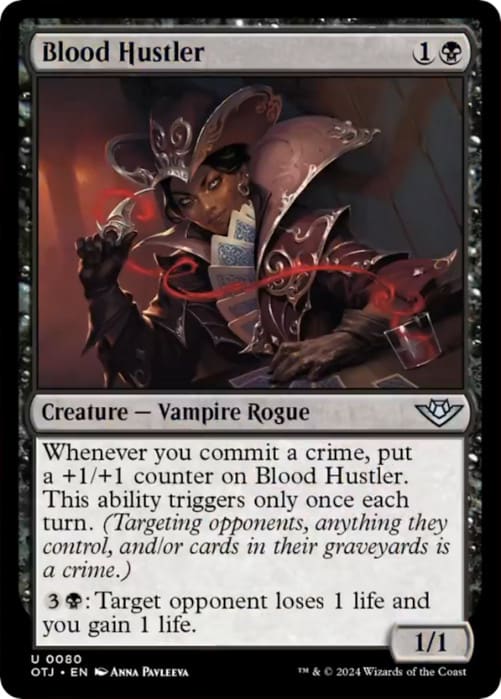
Drawing cards is good. Drawing extra cards is, historically, extremely good. So good, in fact, that games are bound to become utterly one-sided when someone does it illegally.
What You'll Notice
- Your opponent draws cards quickly
- They pick up multiple cards during complicated sequences
- Their hand size seems wrong
- They resolve cantrips or triggers without waiting for responses
- They repeatedly "accidentally" gain cards in hand
What to Do
- Track hand size when you can. You do not need to count every card in their hand at all times but keep a general sense of how many cards your opponent should have, especially after mulligans, draw spells, and long turns.
- Pause when cards move too quickly. If your opponent picks up multiple cards, mixes revealed cards with hidden cards, or draws before a spell has clearly resolved, stop the game immediately and clarify what just happened.
- Ask clarifying questions when you need to. A quick "how many cards are in your hand?" throughout a game can catch any confusion before it becomes a full-blown judge call.
- Watch for repeated convenient mistakes. One accidental extra draw may be an honest mistake. A pattern of "accidentally" gaining cards in hand is when you should get suspicious.
- Call a judge before more actions happen. The longer the game continues after a questionable draw, the harder it becomes to repair the problem. Pause, call a judge, and let them sort it out before one extra card becomes five.
Marked Cards and Sleeves
 |
It could be the smallest thing... A tiny bend; a slightly bent sleeve corner; a scratch; a foil that curls differently; even a sleeve from a different batch.
And just like that, cards become readily identifiable even while face down.
What You'll Notice
- One or two sleeves look different from the rest
- Certain cards are noticeably bent or warped
- Your opponent repeatedly cuts to the same card or card type
- They seem to feel the edges of their deck before cutting
- They search their deck and handle specific cards oddly
What to Do
- Inspect your own sleeves before events. Check for bent corners, scratches, dirt, cloudy sleeves, split edges, or anything else that makes certain cards stand out.
- Replace damaged sleeves immediately. If a sleeve looks different from the rest, replace it ASAP.
- Be careful with curled foils. If only a few cards in your deck are foil and they curl noticeably, they may be identifiable even through sleeves. Consider using nonfoil copies or replacing sleeves to reduce the issue.
- Keep sideboard sleeves consistent. Sideboard cards should match the condition, color, size, and wear of the sleeves in your main deck. "Close enough" is generally not where you want to be in a tournament setting.
- Call a judge if cards appear marked. If you notice suspicious sleeves or identifiable cards, do not try to solve the mystery yourself. Simply call for a judge and say, "Judge, I'm concerned some cards may be marked," and let them handle the investigating.
Mana Weaving
Mana weaving is arranging Lands and spells in a specific pattern before shuffling, so the deck has a smoother distribution of cards.
You've likely seen someone do mana weaving casually. They separate their Lands and spells, stack them in a neat ratio, give the deck a few shuffles, and say, "Don't worry, I shuffled after."
But the issue here is rather simple: either mana weaving affects the final order, or it does not.
If mana weaving affects the final order, then that is not random.
If mana weaving does not affect the final order, then why do it in the first place?
What You'll Notice
- Lands and spells being deliberately separated
- A patterned pile arrangement before the game
- Very light shuffling after "sorting"
- A player denying further shuffling from the opponent
- Repeated "perfectly reasonable" opening hands after thorough preparation
What to Do
- Shuffle your opponent's deck when presented. Not aggressively, but to truly randomize it so there is no question in your mind.
- Do not rely on a simple cut. If your opponent just arranged their deck into a neat pattern, cutting down the middle may not be enough to undo it. Go ahead and give the deck a proper shuffle.
- Watch for insufficient shuffling after sorting. Separating Lands and spells is not automatically an issue but presenting a deck that has not been properly randomized afterward is.
- Avoid mana weaving yourself. Please, I'm begging you here, do not mana weave and then tell me, "but I shuffled after." Either the weaving mattered, which is bad, or it did not matter, which means you just wasted everyone's time in the most suspicious way possible.
- Call a judge if the cards don't seem like they're random. If you believe your opponent is presenting a patterned or insufficiently randomized deck, pause the match and call a judge.
Deck Manipulation While Shuffling
 |
This is the classic. The ol' reliable in every MTG cheater's arsenal.
Deck manipulation can involve trying to arrange cards in a favorable or unfavorable order, controlling the top of a library, exploiting poor shuffling habits, or using sleight of hand while handling either player's deck.
The scariest part of this MTG cheat is that shuffling is a very normal part of the game. Everyone shuffles. Everyone presents their deck. Everyone cuts.
So, any suspicious behavior can and often will be hidden in plain sight.
What You'll Notice
- Handles your deck at an odd angle
- Looks down or sideways while shuffling your deck
- Shuffles in a way that exposes card faces or bottoms
- Consistently cuts or shuffles in a very specific, practiced-looking way
- Seems especially interested in certain parts of your library
What to Do
- Watch your deck while your opponent handles It. You do not need to stare them down, but pay careful attention when your opponent is shuffling, cutting, or otherwise handling your library.
- Do not accept a suspiciously precise cut. If your opponent makes a very specific cut, handles your deck at a strange angle, or seems interested in a particular section of your library, take the deck back and call a judge to randomize again appropriately.
- Shuffle your own deck thoroughly. Again, mana weaving is not randomization. Let's all make sure all decks are random across the table.
- Keep your procedure boring and consistent. Randomize, present, let your opponent randomize or cut, then continue. The best defense against deck manipulation is a boring, consistent procedure.
- For the last time, call a judge If anything seems wrong. If your opponent's shuffling gives them a chance to see, control, or manipulate cards, pause the match and call a judge.
Conclusion
 |
At the end of the day, spotting cheating in MTG is not about treating every opponent like they are waiting for the perfect moment to commit crimes against Mark Rosewater.
Most players are honest. Most messy game states are honest mistakes. And most red flag moments are just the natural result of players trying to navigate a wildly complicated game where drawing a card can and often will somehow trigger six separate events.
But awareness still matters.
The more familiar you are with the most common MTG cheating methods, the harder it becomes for a dishonest player to hide behind ambiguity. And again, there is no real need to assume the worst of everyone across the table, but you should be prepared to protect yourself when something feels off.
After all, we are not playing this game to win by catching cheaters; we are all trying to make sure that all players are winning, losing, and occasionally flooding out within the same agreed-upon rules.
So, the next time something feels wrong in your game, just remember that the strongest anti-cheating tool in Magic is not paranoia; it is the confidence to say, "hold on, let's call a judge over and make sure this is right."